
Set at the foot of the Atlas Mountains, Marrakech has fascinated travellers for centuries. A feast for the senses, this famously creative city has a long history as a religious, cultural and trading hub for the Maghreb. Today’s travellers can expect to be both charmed and overwhelmed by the abundance of colour and sound in the narrow streets and thrumming souks of the ancient walled medina. Admire marvellous palaces and sites of worship, tour artisanal workshops and savour delectable traditional dishes over the course of your holiday in the Red City. For keen adventurers, there’s nothing like a night under the stars; the vast desert sands and snowcapped Atlas Mountains await.
 Marrakesh Show the map
 5 rooms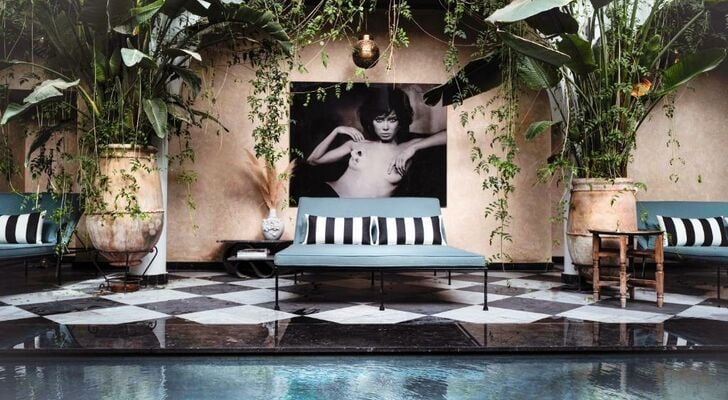

 Medina Show the map
12 rooms
Medina Show the map
12 rooms 
 Marrakesh Show the map
40 rooms
Marrakesh Show the map
40 rooms 
 Medina Show the map
4 rooms
Medina Show the map
4 rooms 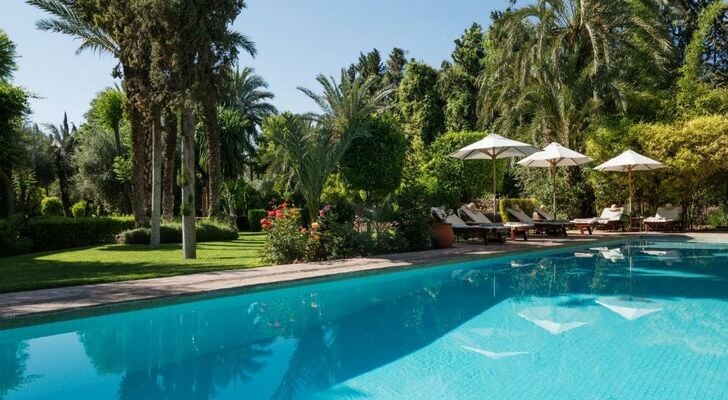
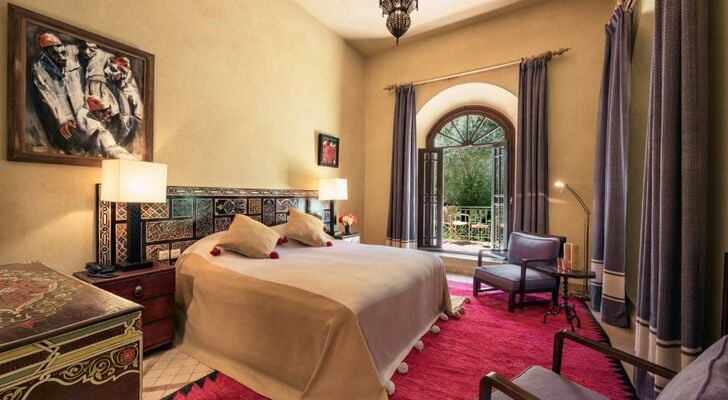
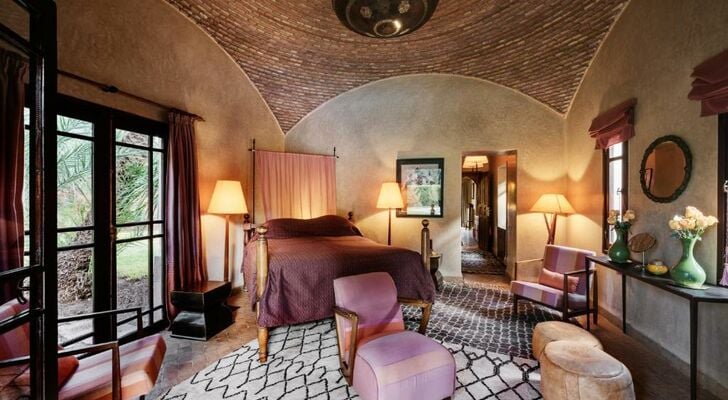
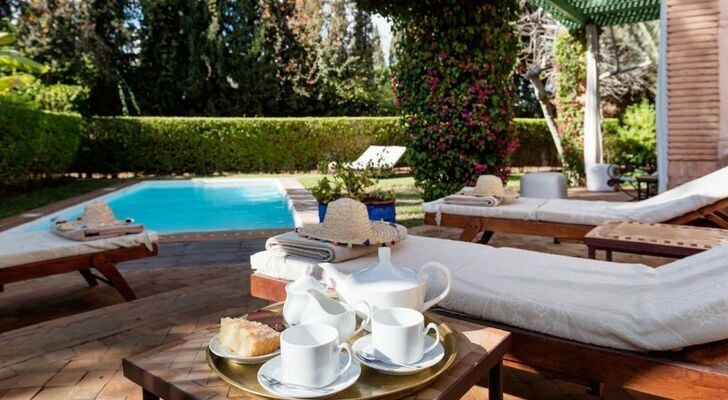
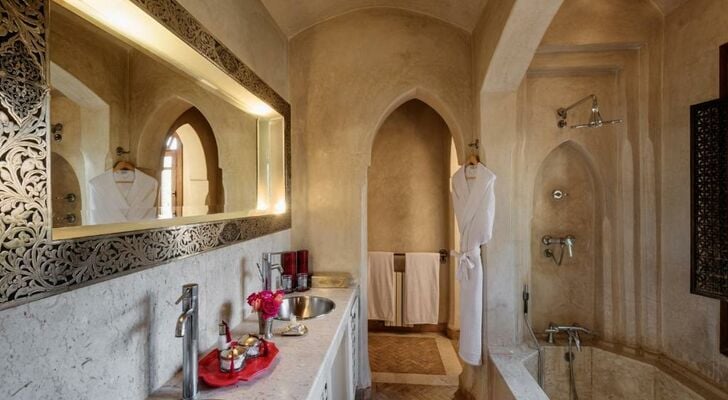 Palmerai Show the map
6 rooms
Palmerai Show the map
6 rooms 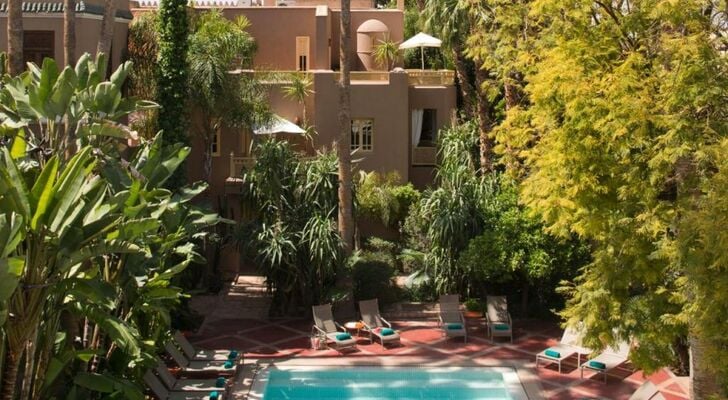
 Kasbah, Medina Show the map
36 rooms
Kasbah, Medina Show the map
36 rooms 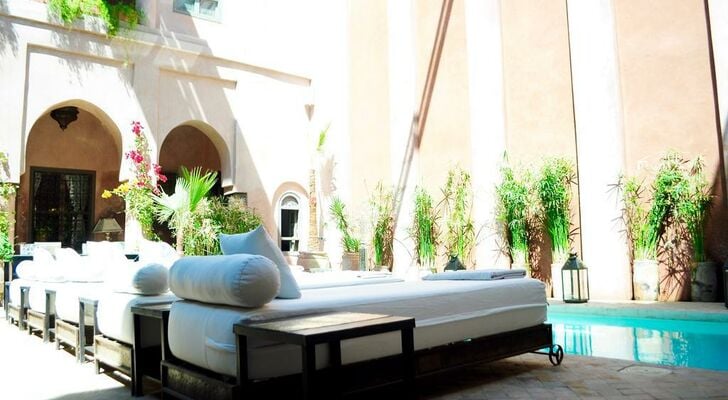
 Medina Show the map
9 rooms
Medina Show the map
9 rooms 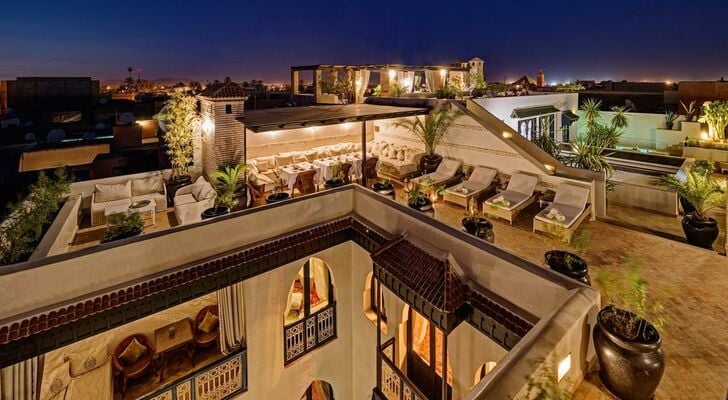
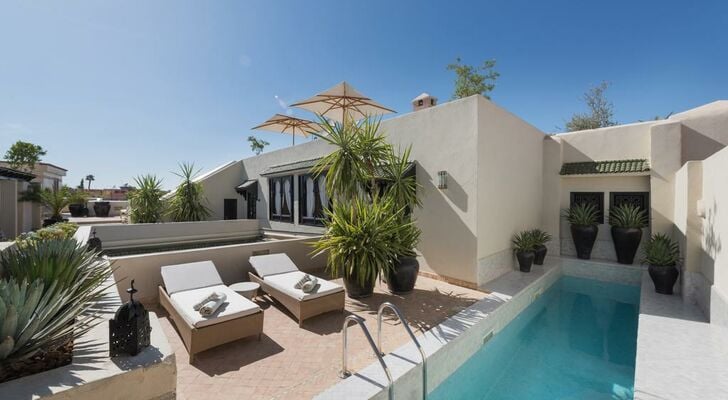
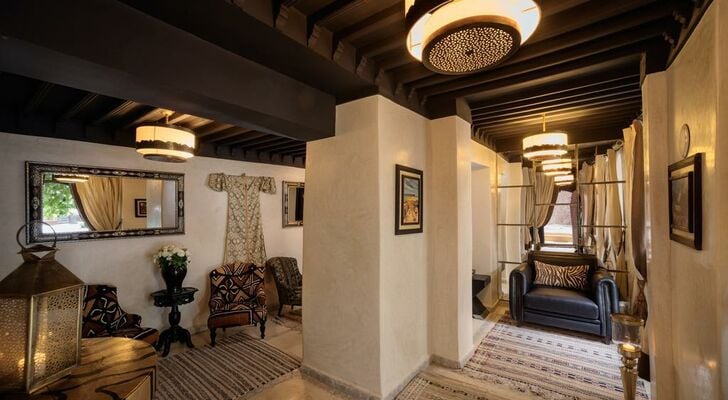
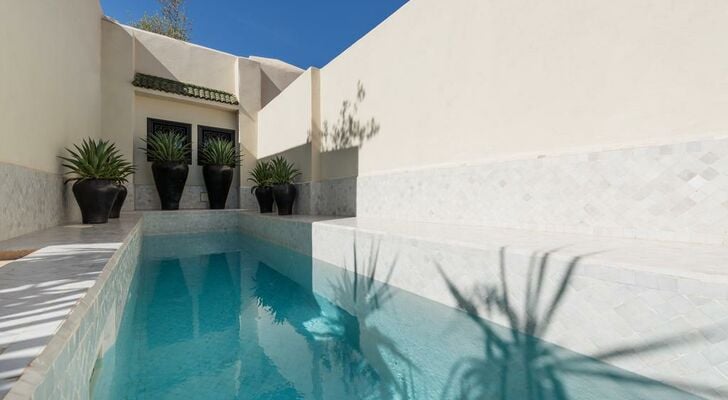
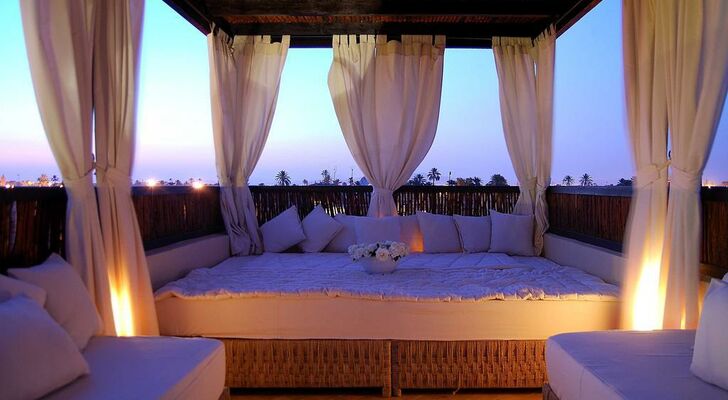 Medina Show the map
11 rooms
Medina Show the map
11 rooms 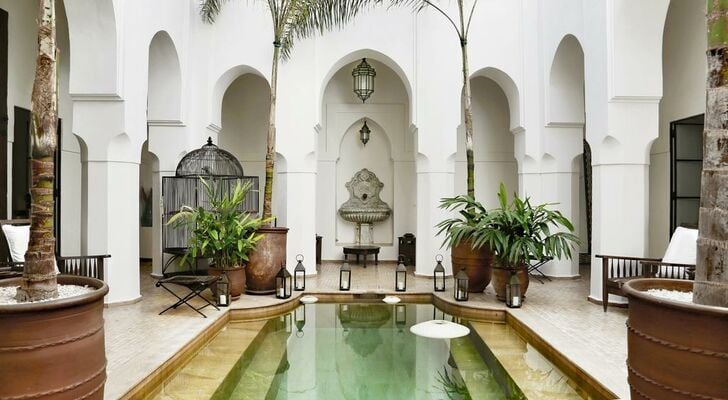
 Medina Show the map
5 rooms
Medina Show the map
5 rooms 



 El Jbilate Show the map
63 rooms
El Jbilate Show the map
63 rooms 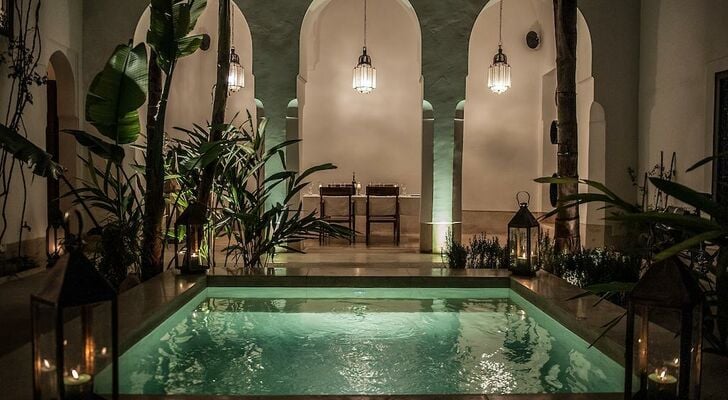
 Medina Show the map
5 rooms
Medina Show the map
5 rooms 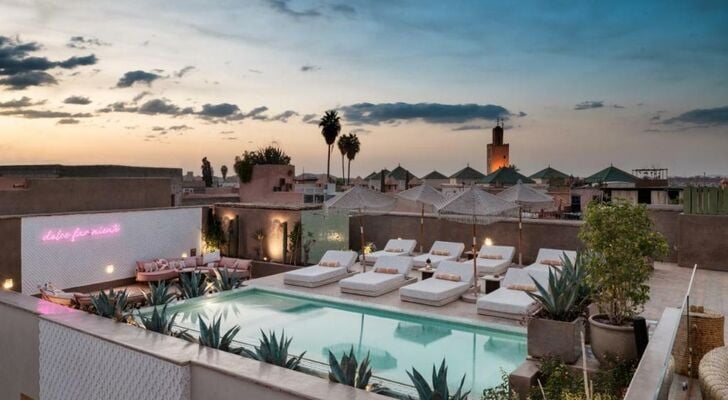
 Medina Show the map
7 rooms
Medina Show the map
7 rooms 

 Palmerai Show the map
35 rooms
Palmerai Show the map
35 rooms 
 Medina Show the map
10 rooms
Medina Show the map
10 rooms 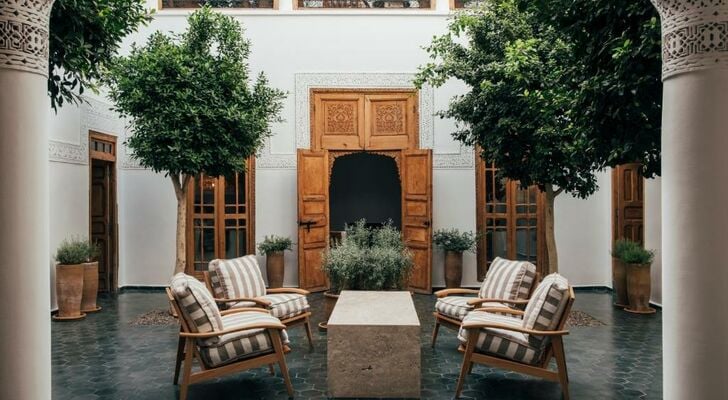
 Marrakesh Show the map
8 rooms
Marrakesh Show the map
8 rooms 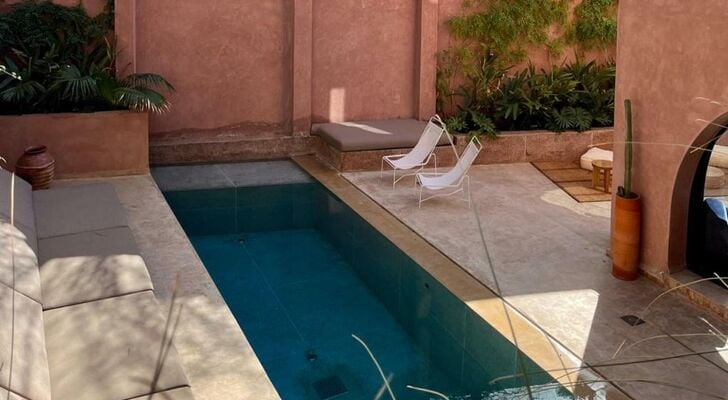
 Marrakesh Show the map
8 rooms
Marrakesh Show the map
8 rooms 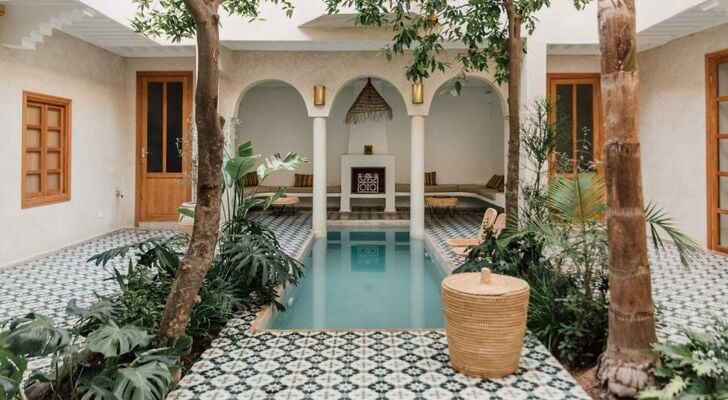
 Medina Show the map
5 rooms
Medina Show the map
5 rooms 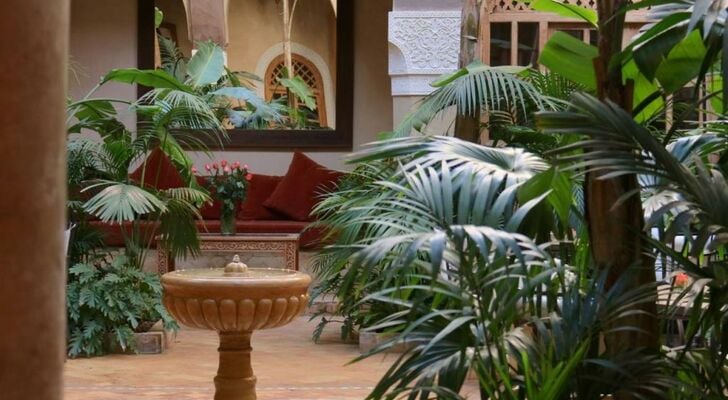
 Medina Show the map
12 rooms
Medina Show the map
12 rooms 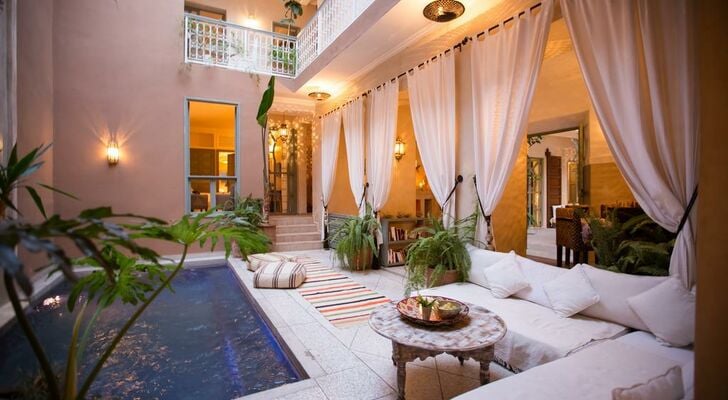
 Medina Show the map
15 rooms
Medina Show the map
15 rooms 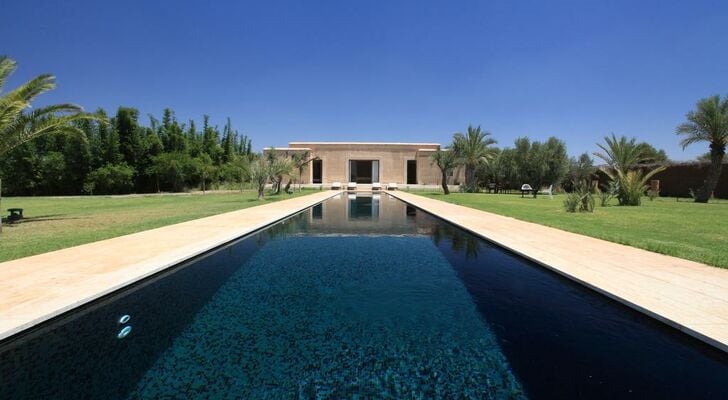
 Marrakesh Show the map
2 rooms
Marrakesh Show the map
2 rooms 
 Medina Show the map
6 rooms
Medina Show the map
6 rooms 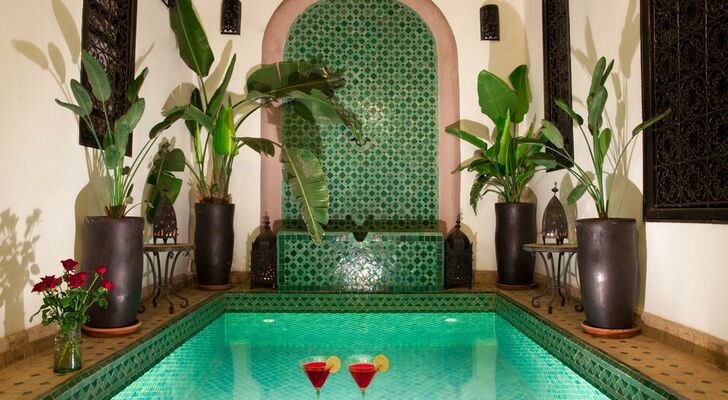
 Medina Show the map
6 rooms
Medina Show the map
6 rooms 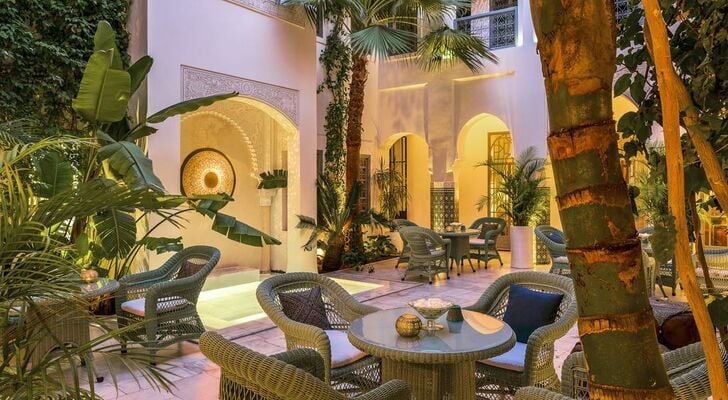


 Medina Show the map
7 rooms
Medina Show the map
7 rooms 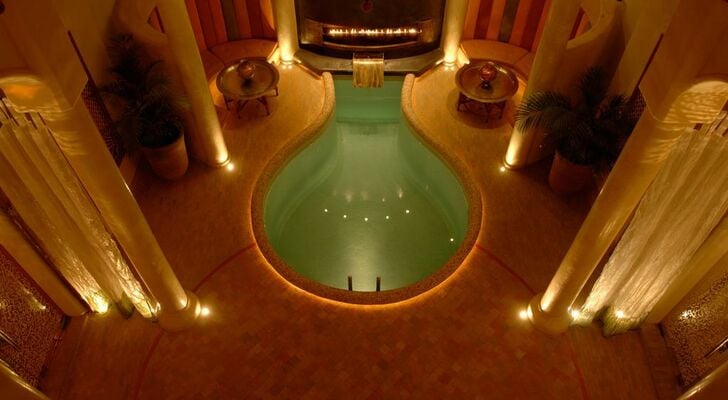
 Medina Show the map
6 rooms
Medina Show the map
6 rooms 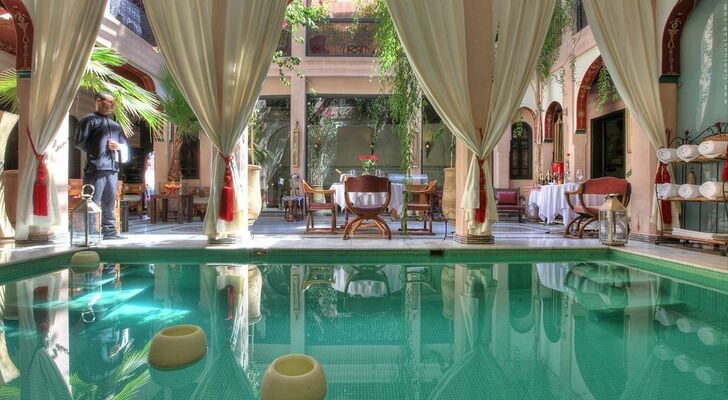
 Medina Show the map
12 rooms
Medina Show the map
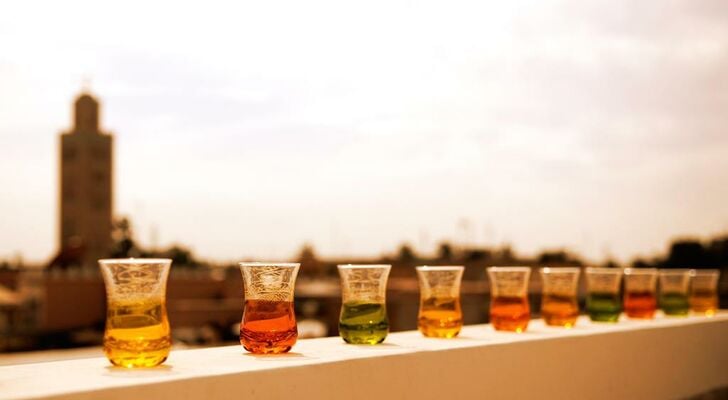
12 rooms Begin your explorations in Jemma El-Fna Square. At the heart of the UNESCO-listed medina, the square offers everything from spice stands and a food market to fireside storytellers. Amble along the winding streets of the souks to pore over handcrafted pottery, woven rugs, delicate glassware and whittled wooden pieces. Pause for a refreshing mint tea, or tuck into a classic tagine, superbly slow-cooked in spices.
Step into Marrakech’s past at the exquisite Bahia Palace, the ruined 16th-century El Badi Palace, and the almost thousand-year-old Koutoubia Mosque. The images at the Maison de la Photographie de Marrakech will delight creatives; as will the architecture of the Medersa Ben Youssef.
Head a little further afield to Marrakech’s most famous attraction, blue-painted Le Jardin Marjorelle. Dating back a century, the garden was bought in 1980 by Yves Saint Laurent and his partner Pierre Bergé, and the adjoining museum reflects the fashion designer’s illustrious career. In the intriguing Nouvelle Ville — once home to the city’s colonial-era French population — the gardens are gorgeous but can be crowded with visitors.
Active travellers will find guided running groups in central Marrakech, as well as walking and hiking tours in the Palmeraie and the foothills of the Atlas Mountains. Hot air balloon rides are brilliant, as are horse riding excursions. We’d also recommend private city tours to those looking to delve a little deeper; Marrakech really is magical.
Marrakech is broadly divided into three areas: the medina, the Nouvelle Ville, and the Palmeraie. Undoubtedly the most touristy part of the city, the old walled medina is bustling yet beautiful. Stay close to Jemma-el Fna — the main square and market — if you’d like to be in the heart of the action. The medina is ideal for on-foot explorers, heritage buffs and keen shoppers, though you’ll also need to be patient with a plethora of vendors as you wander. For a less hectic experience of the old city, consider a hotel in the often underrated kasbah.
For good nightlife and more laid-back daytime strolls, consider basing yourself in Guéliz, part of the Nouvelle Ville. Originally created by the French, the neighbourhood now has a youthful, progressive feel and is particularly recommended for solo female travellers.
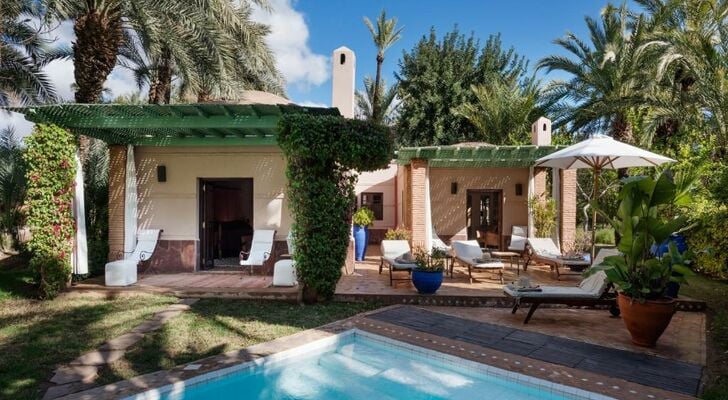
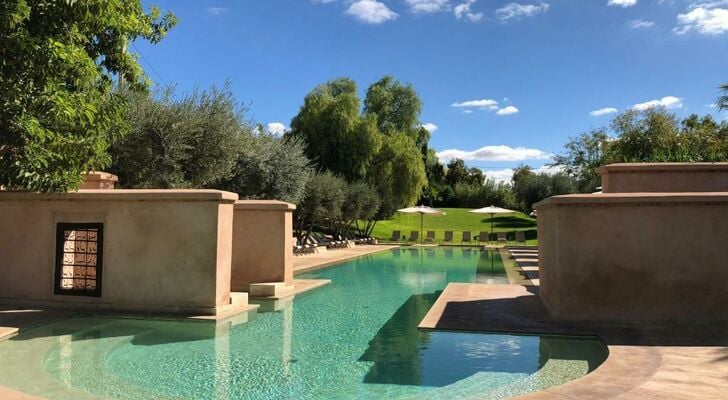
Beyond the city limits is the Palmeraie, where hundreds of thousands of palm trees flourish. Still within easy reach of historic Marrakech by car, this district is ideal for those seeking tranquility. Expect more generous hotel grounds with swimming pools and gardens. The desert sands will be at your fingertips.
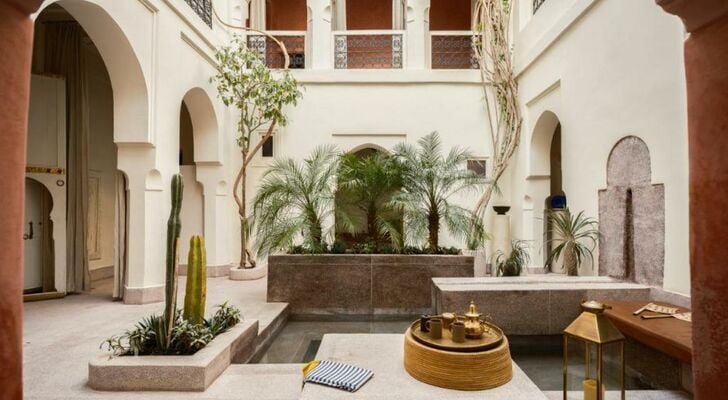
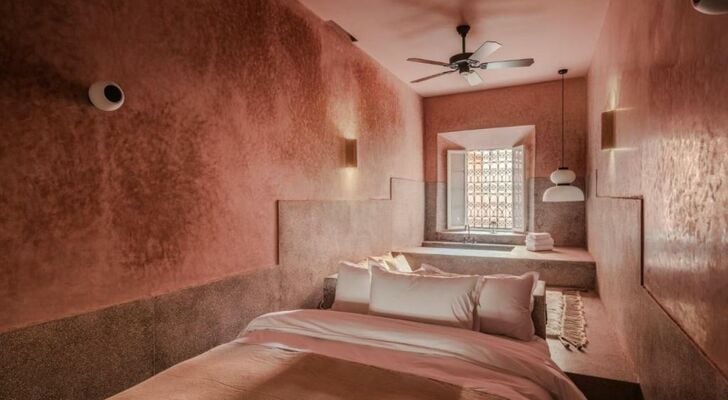
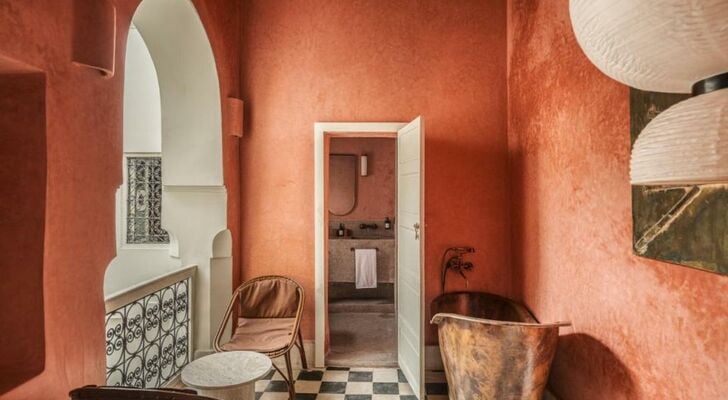
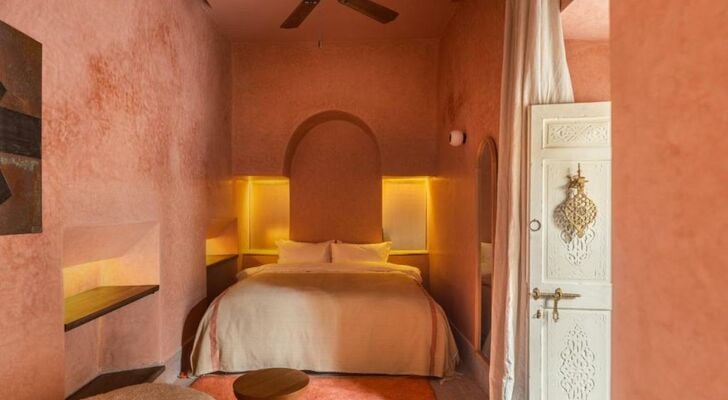
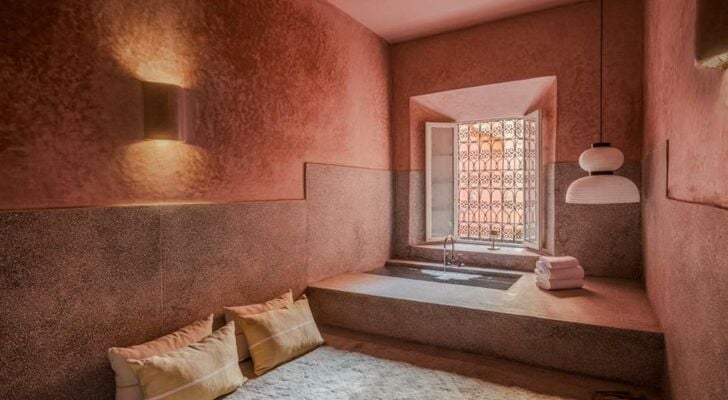
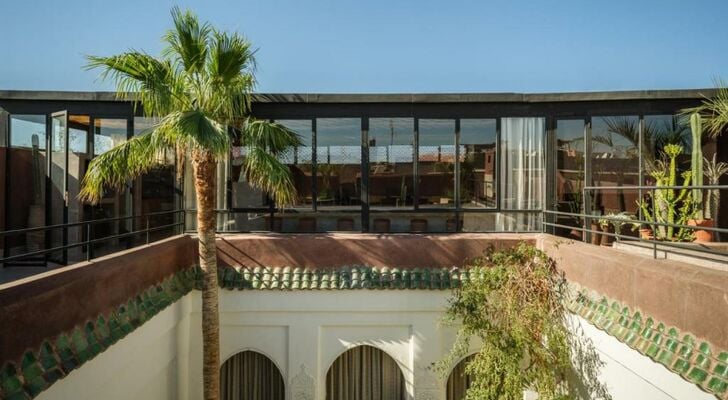
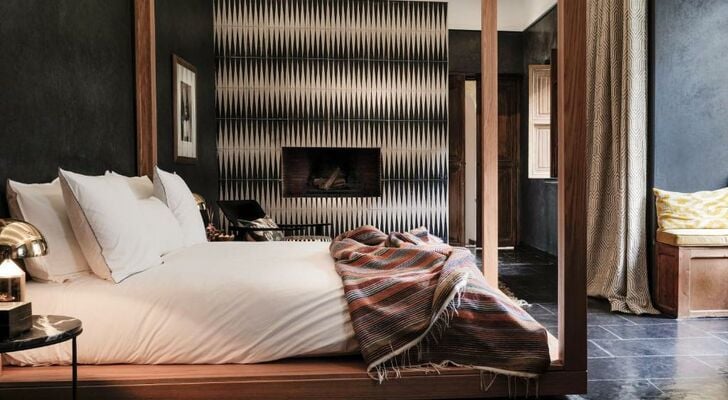
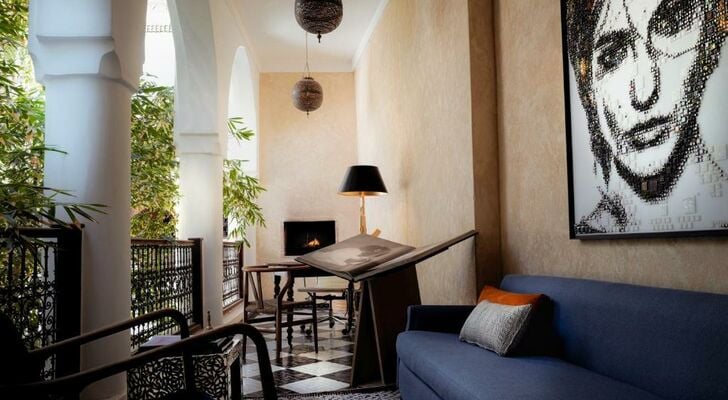
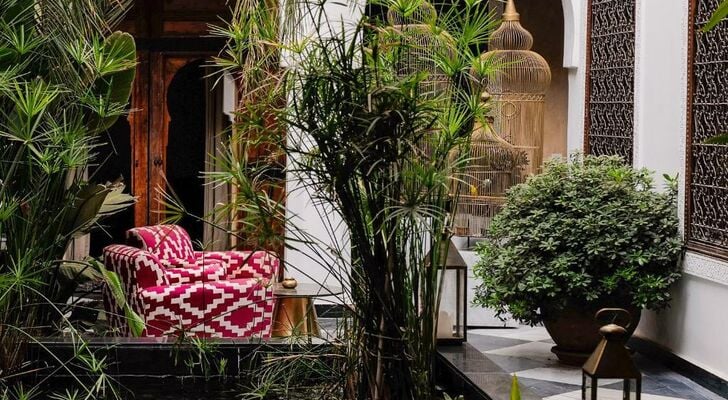
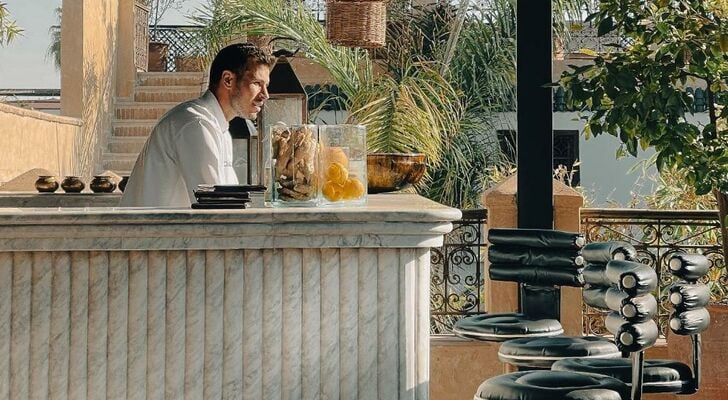
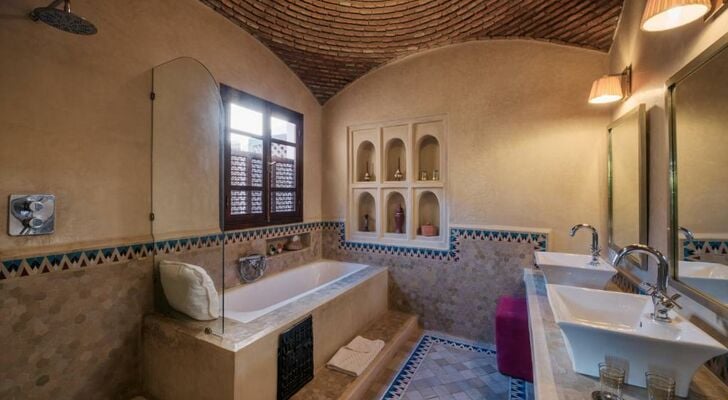
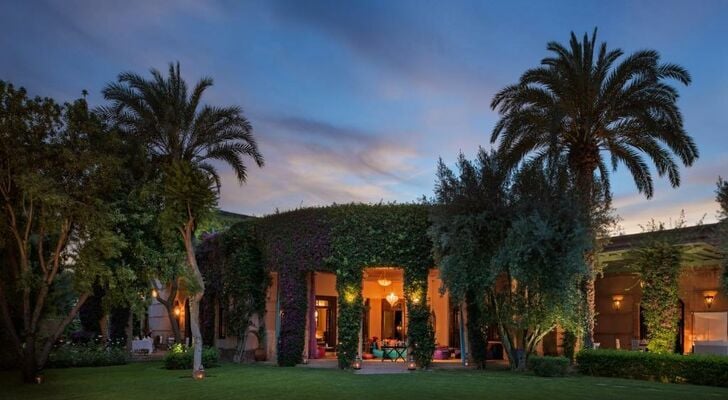
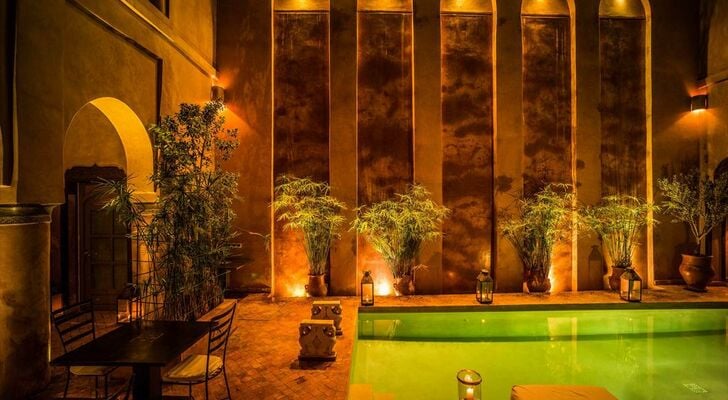
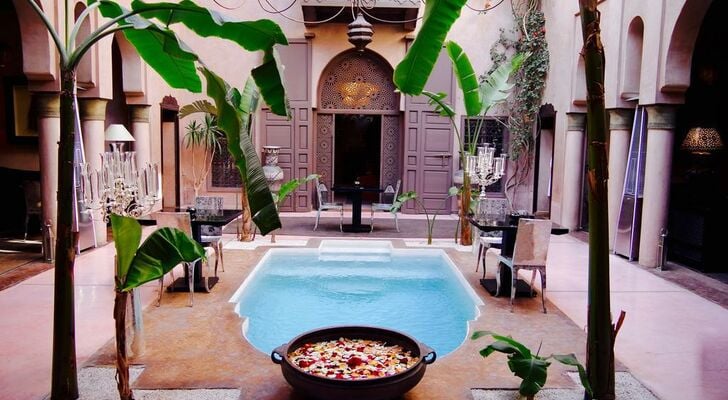
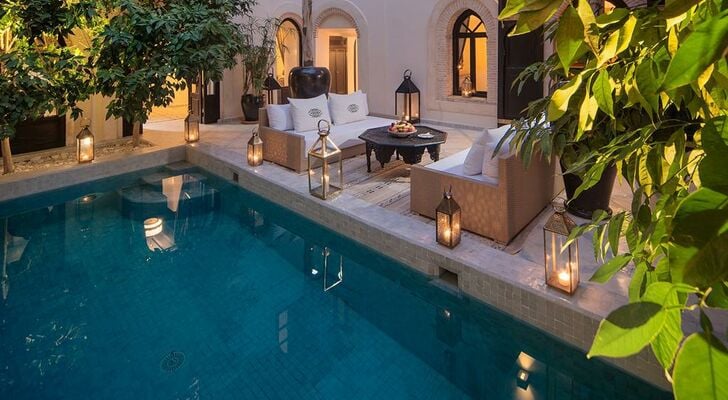
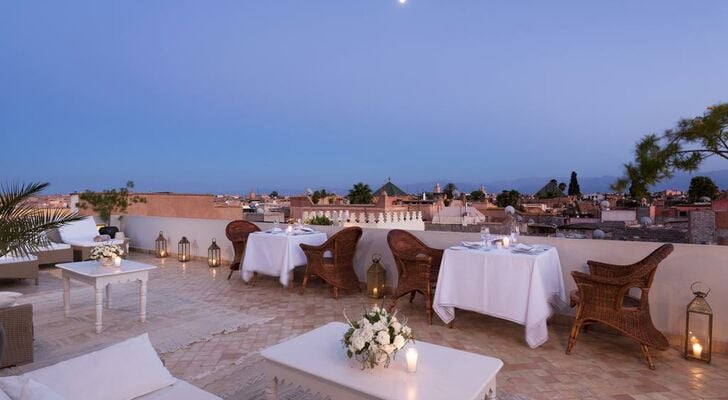
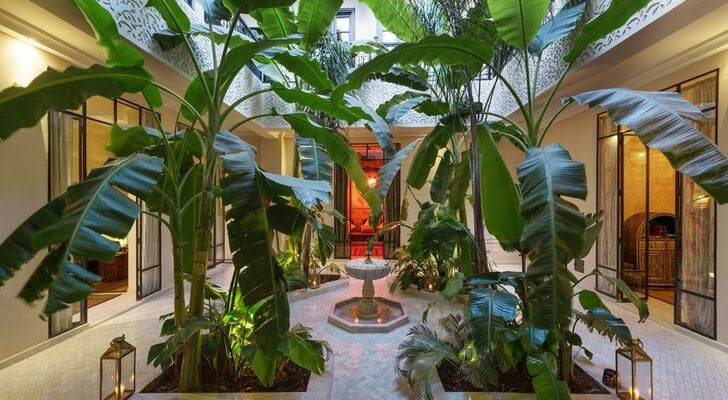
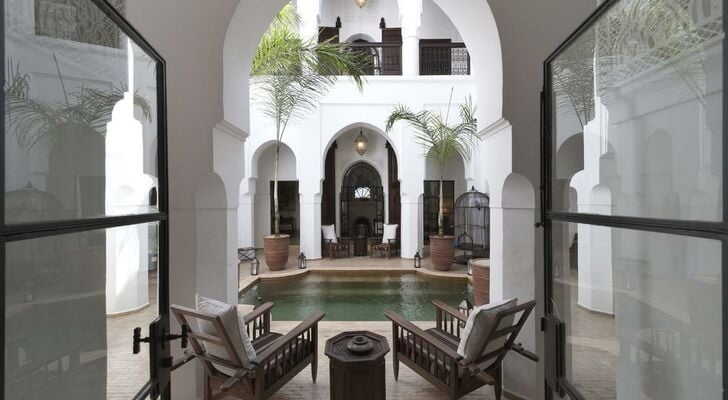
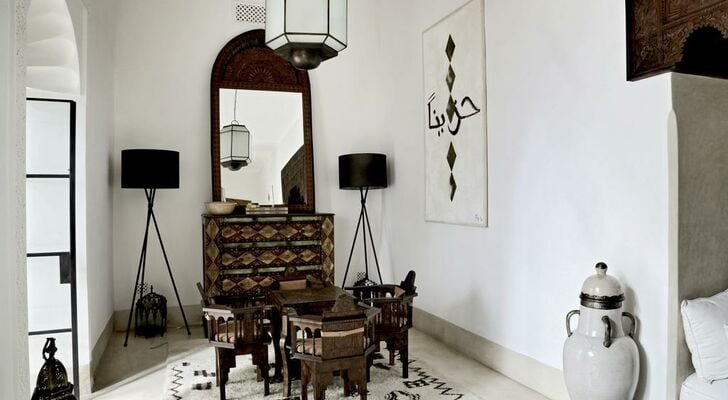
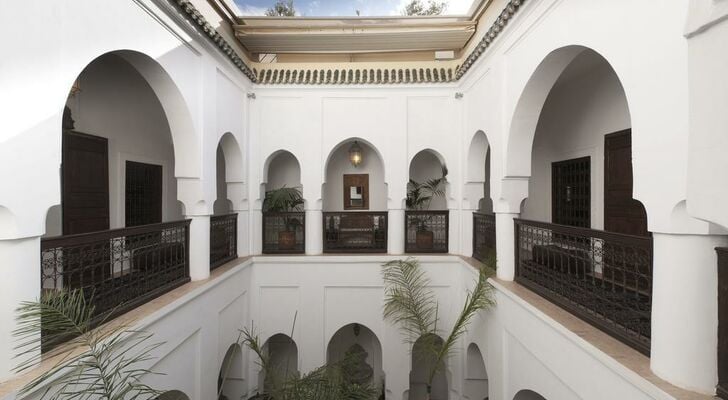
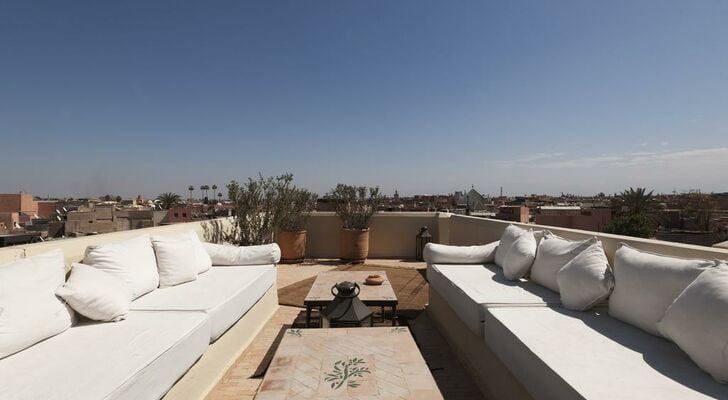
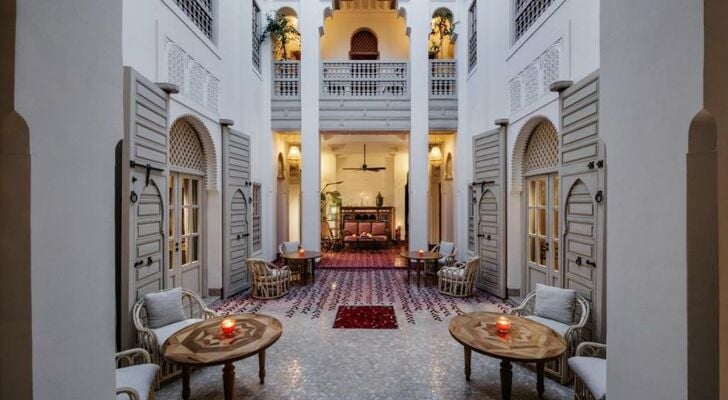
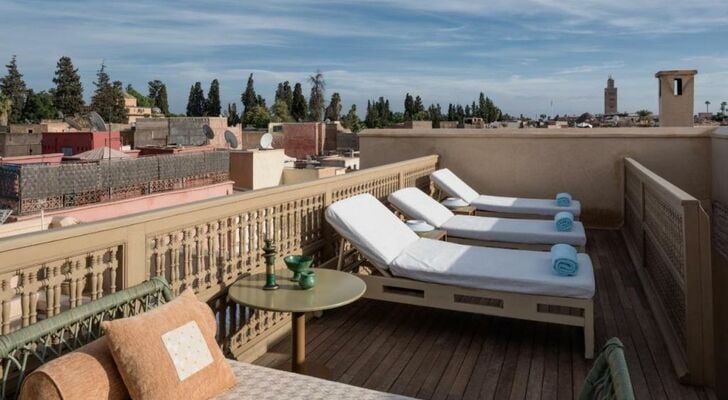
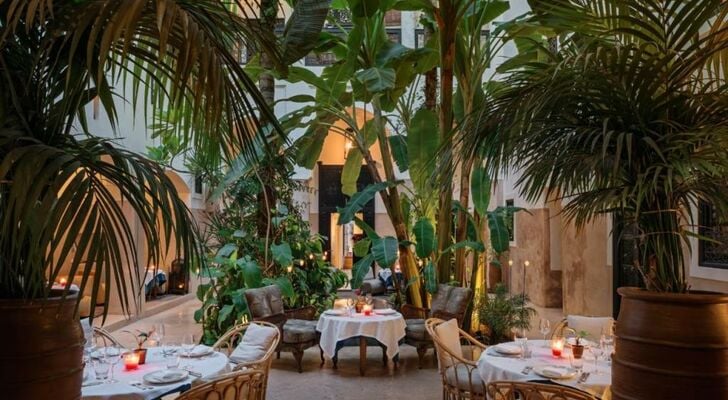
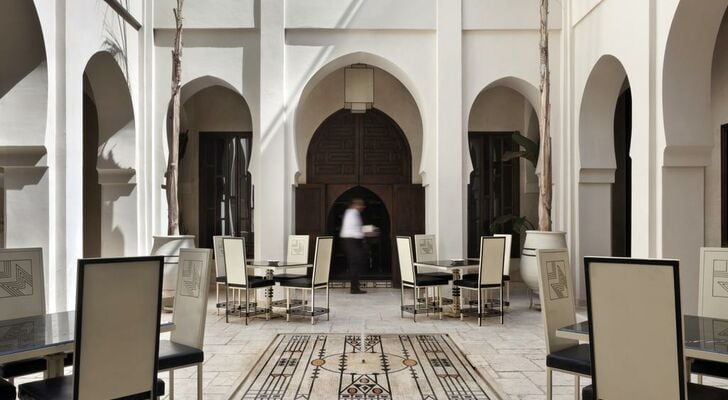
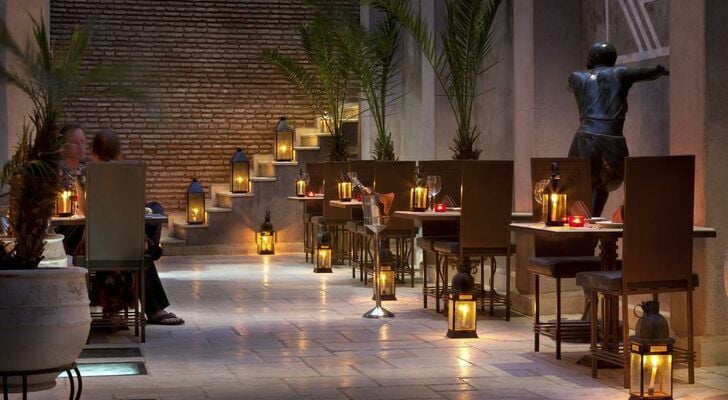
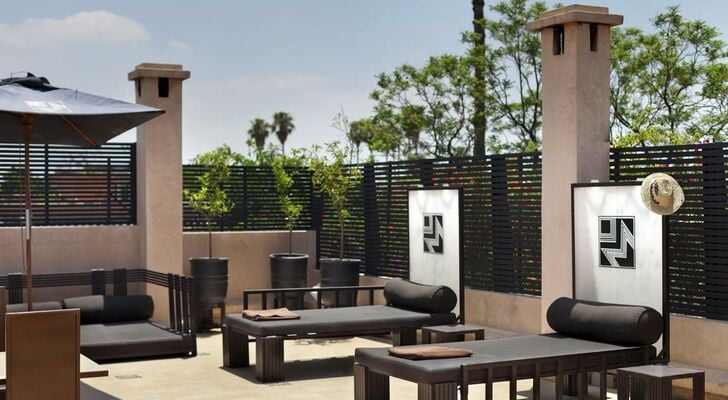
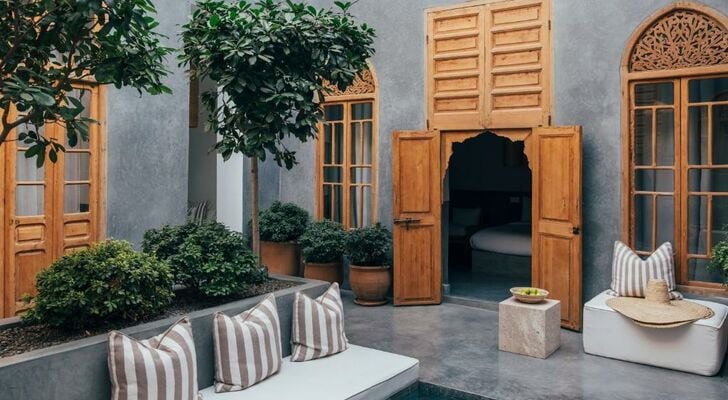
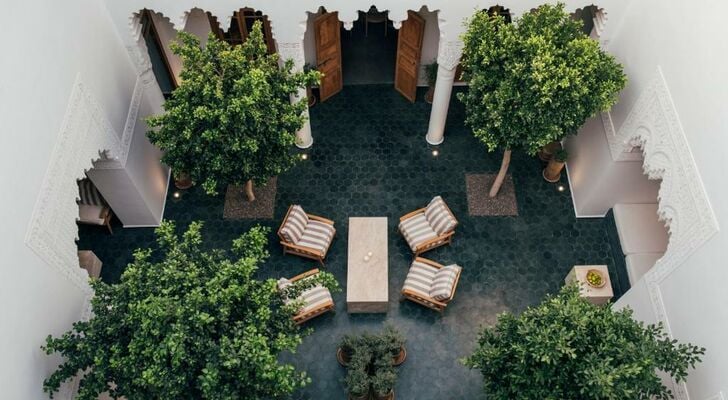
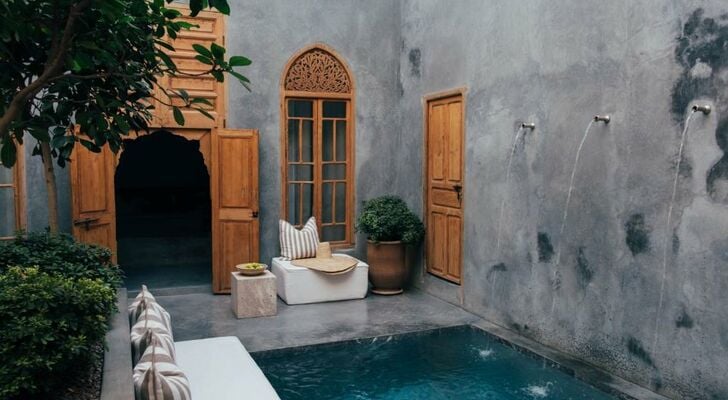
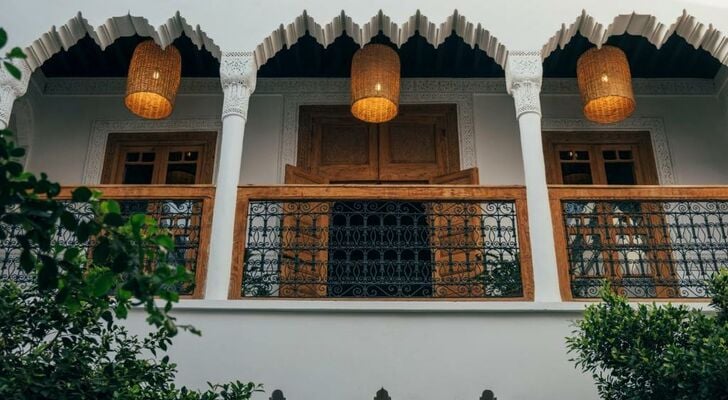
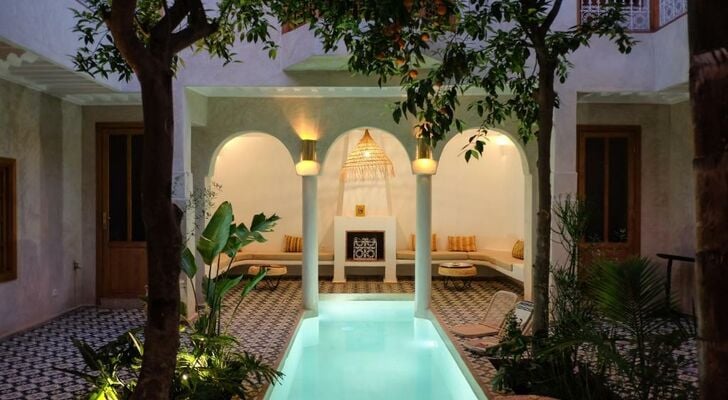
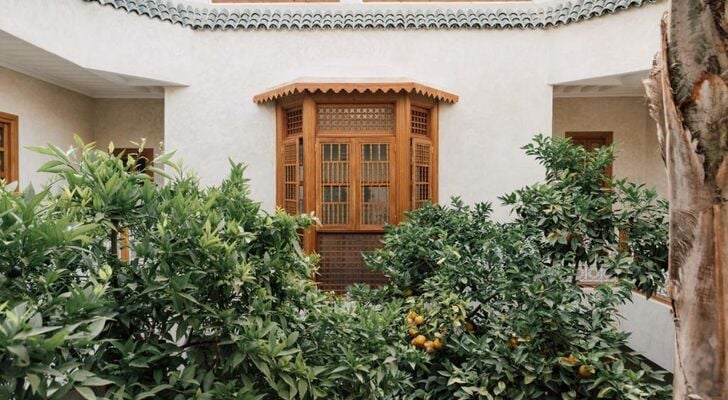
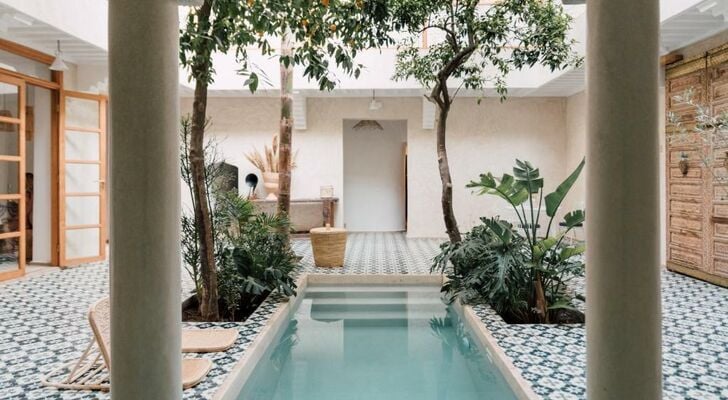
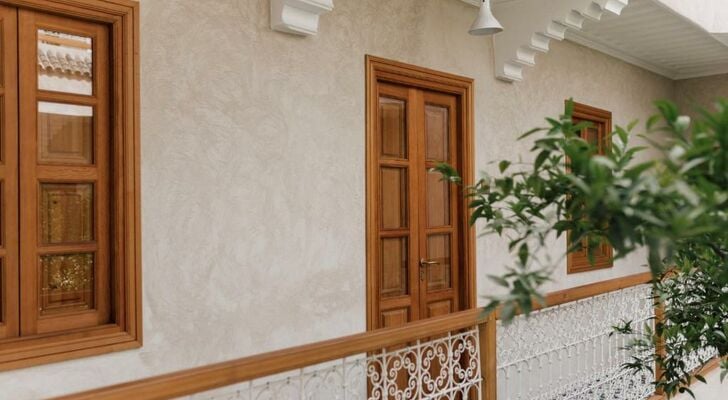
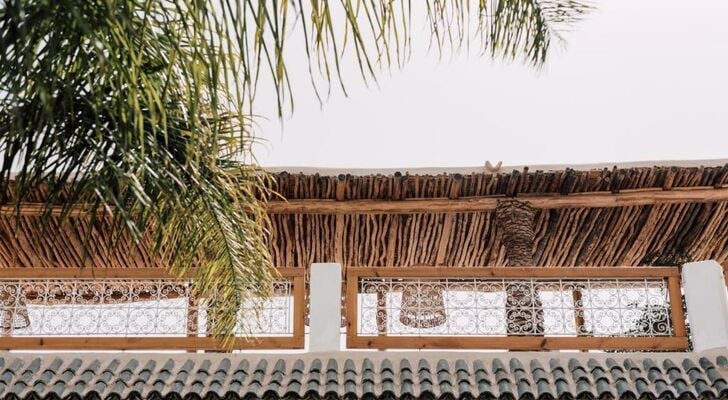
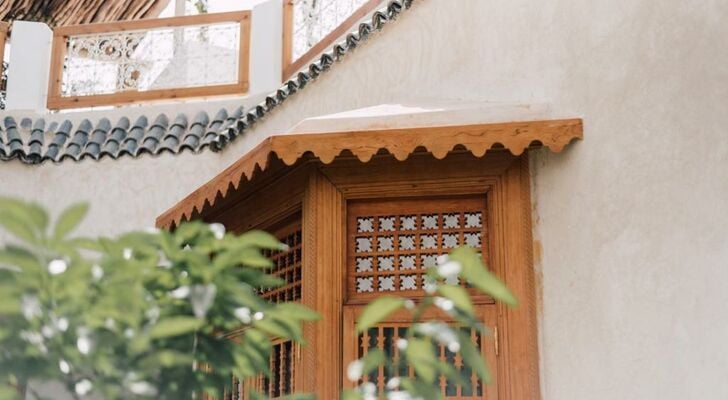
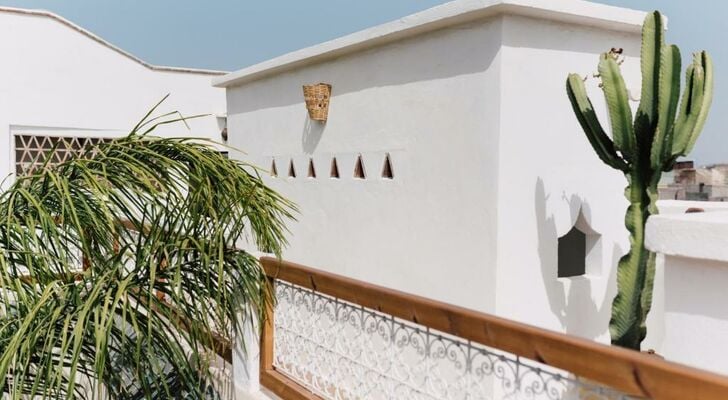
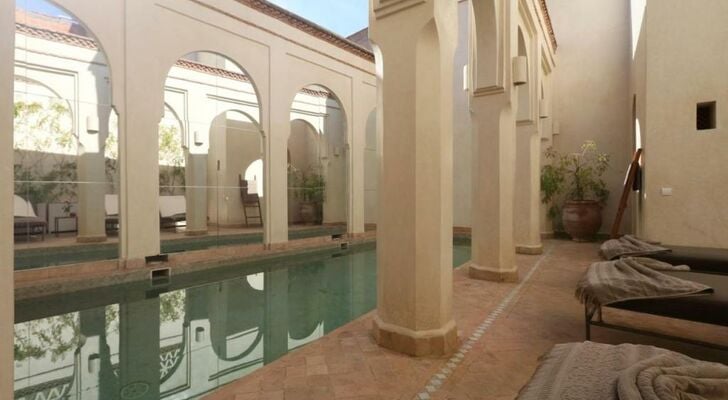
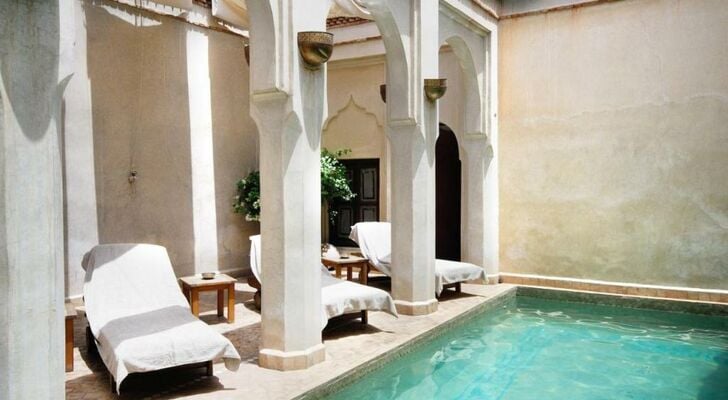
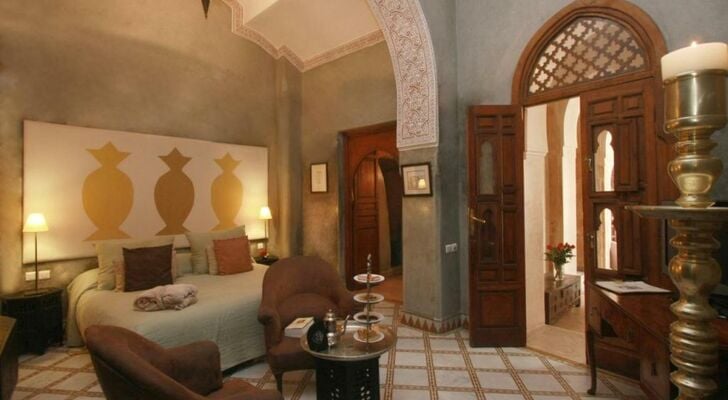
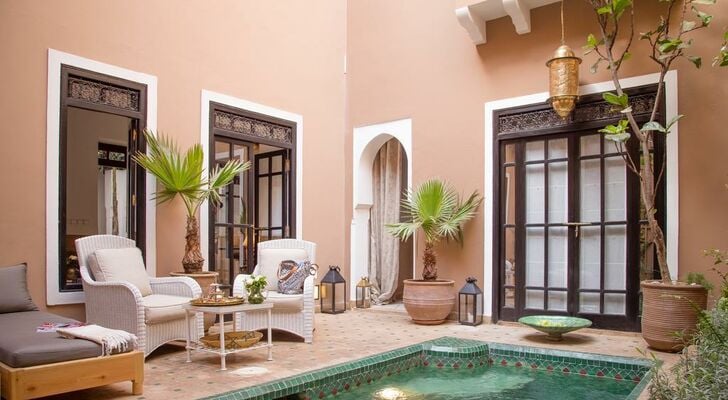
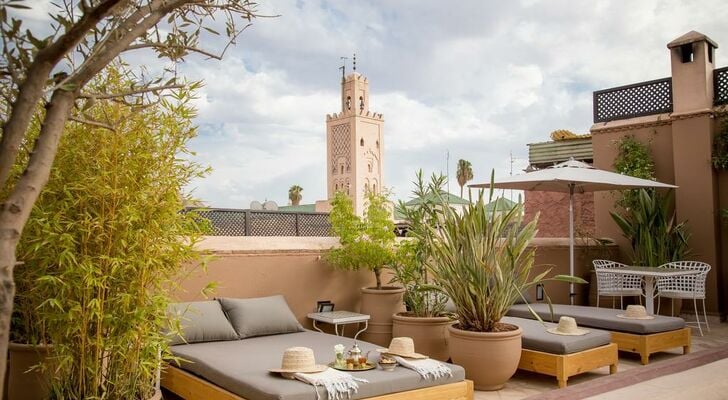
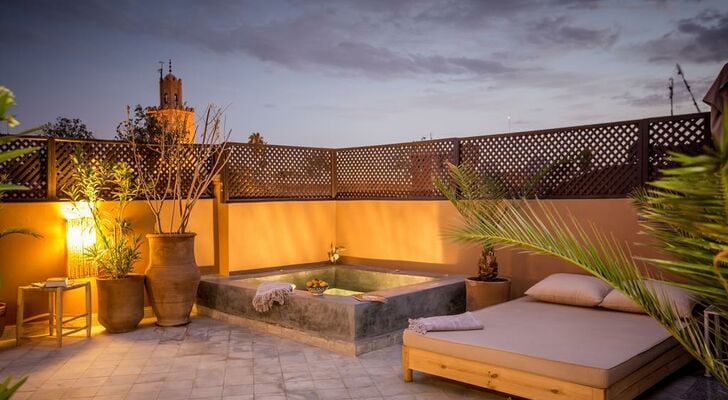
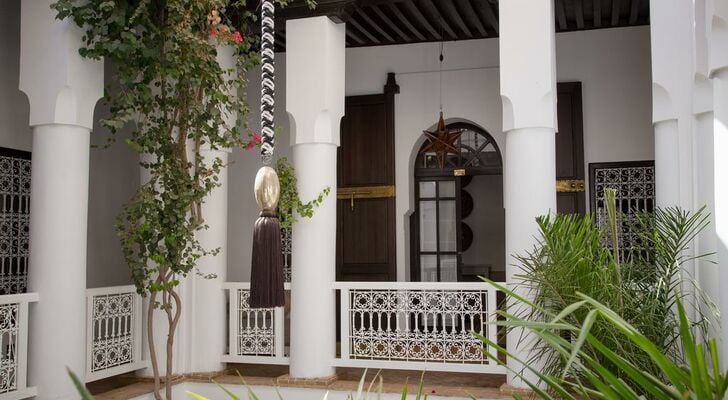
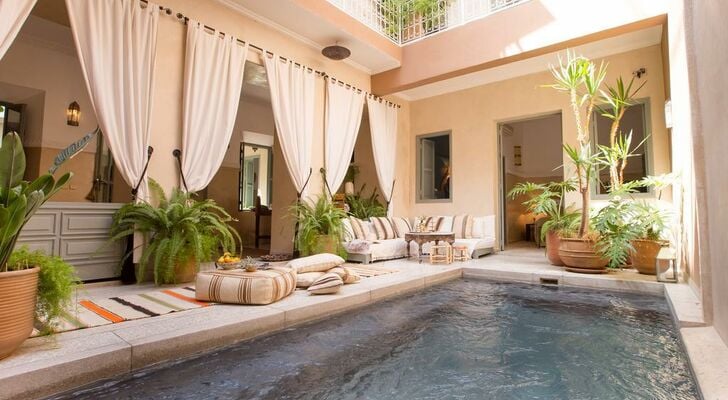
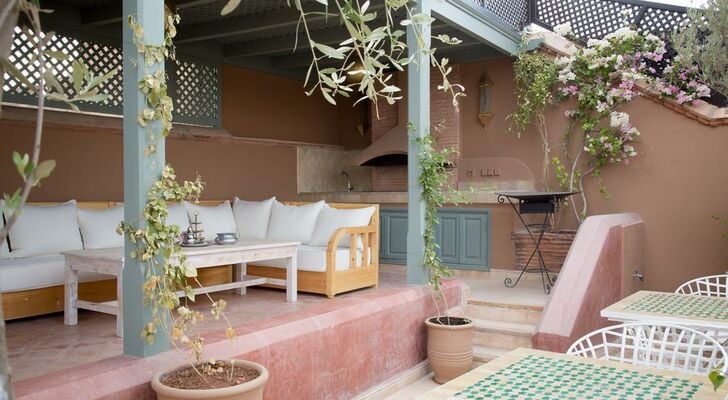
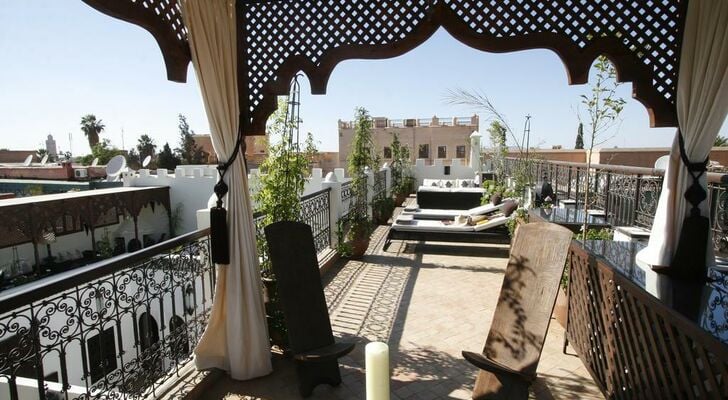
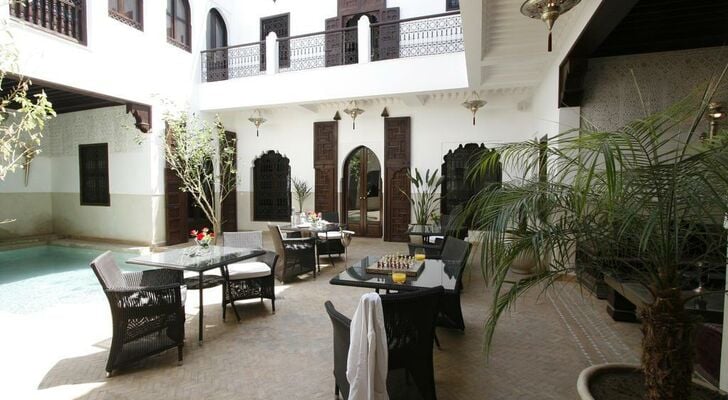
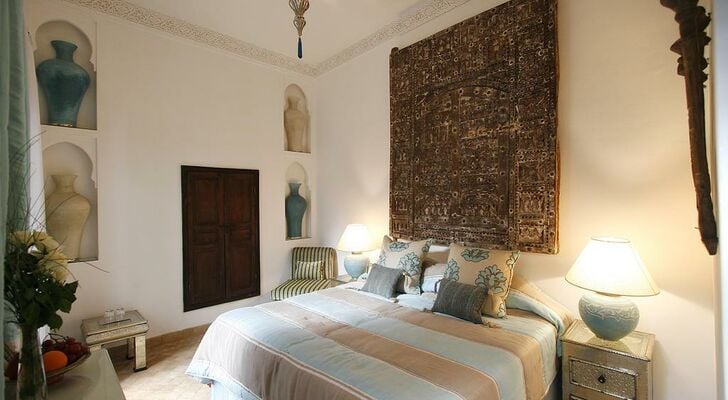
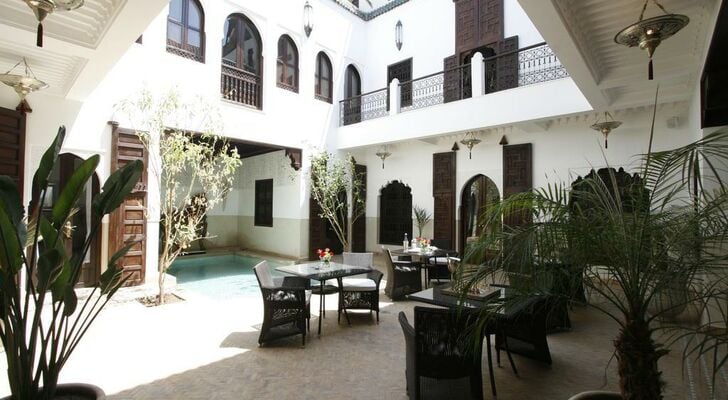
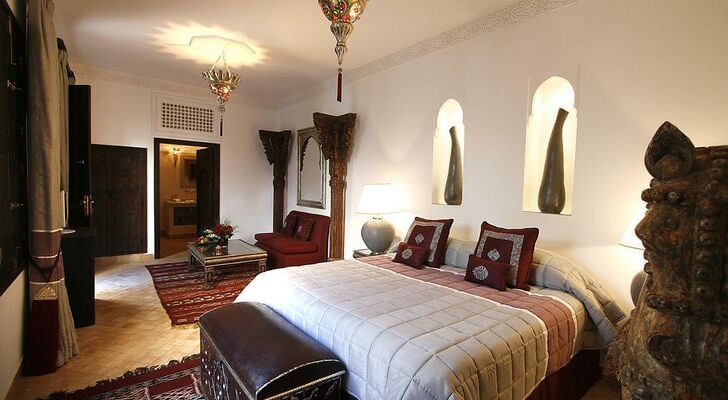
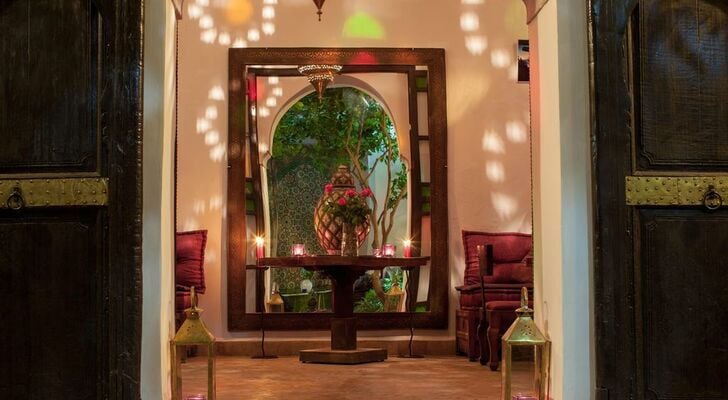
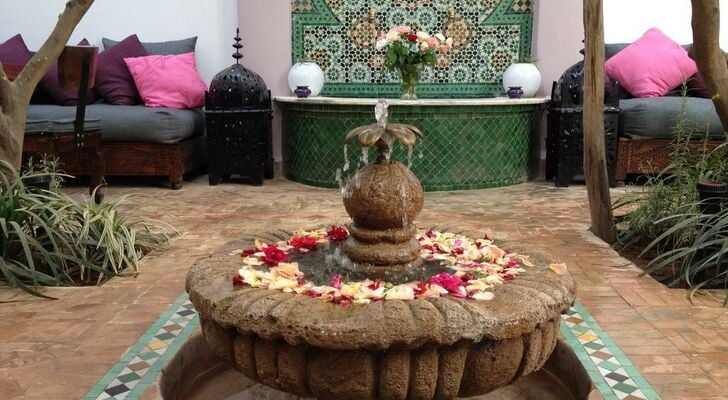
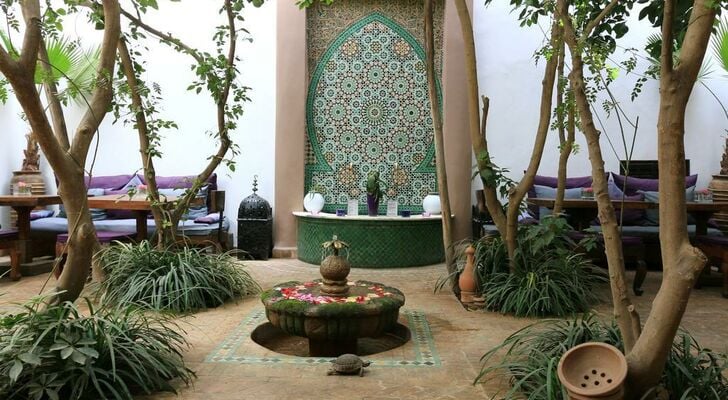
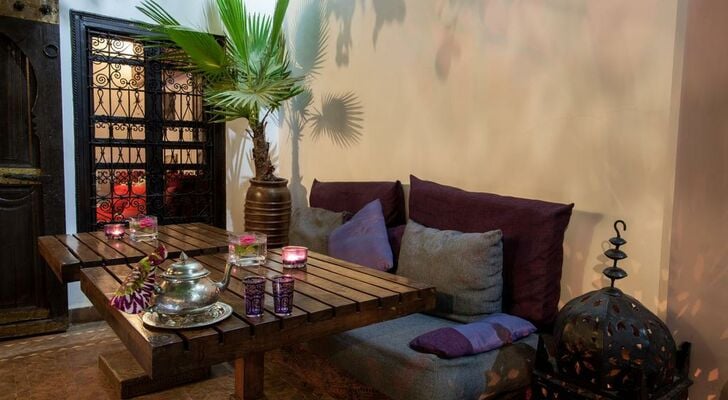
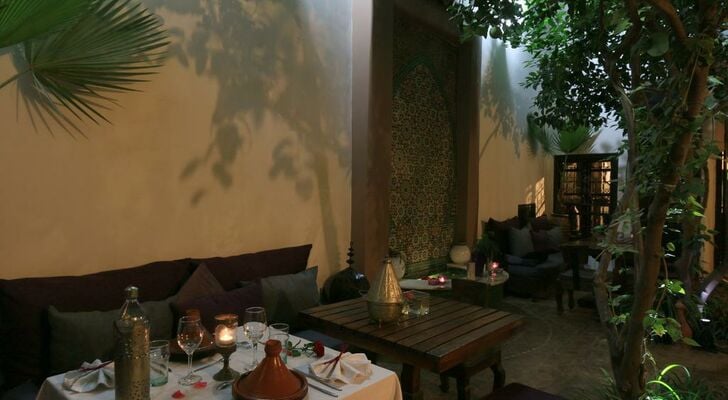
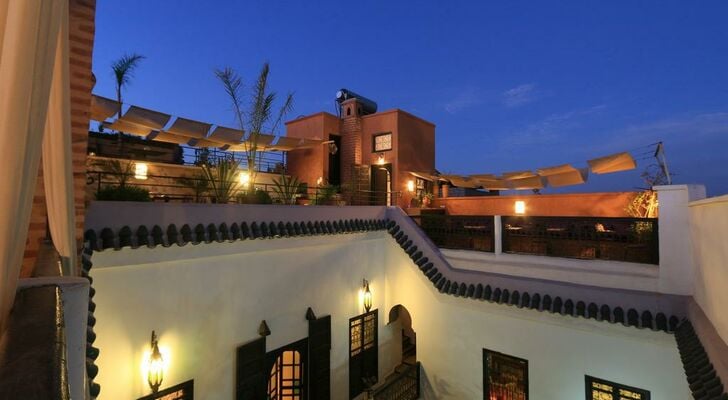
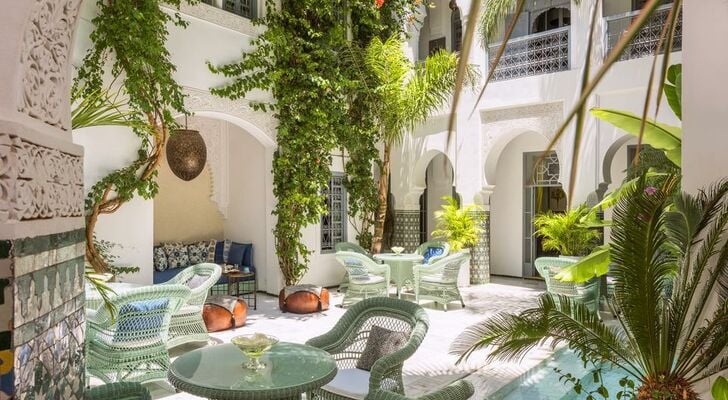
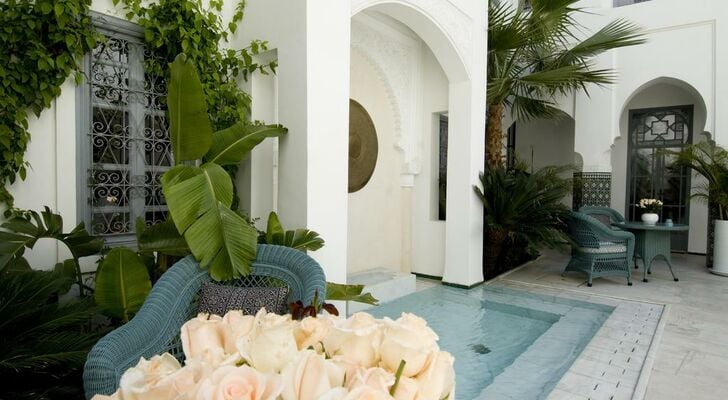
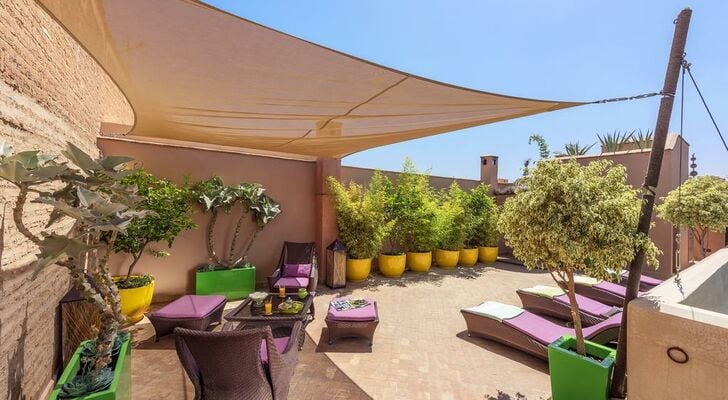
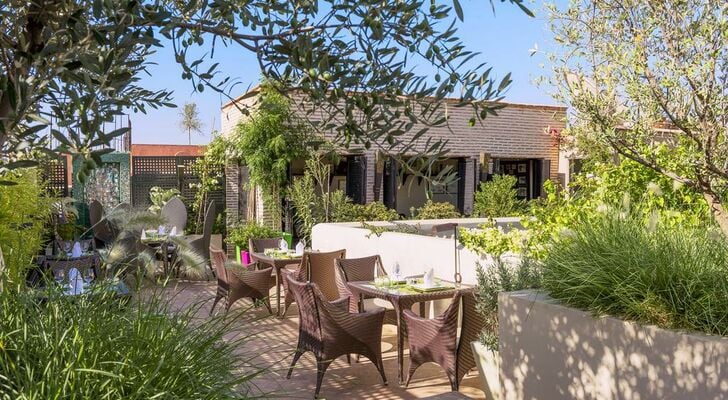
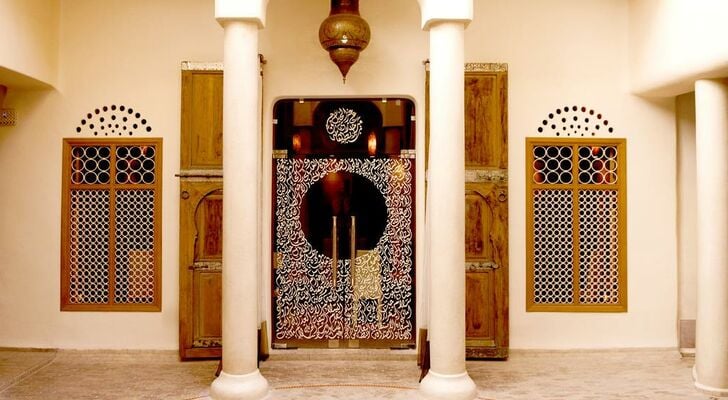
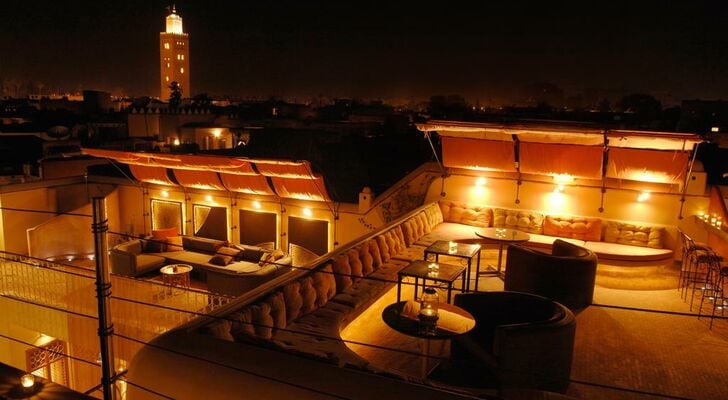
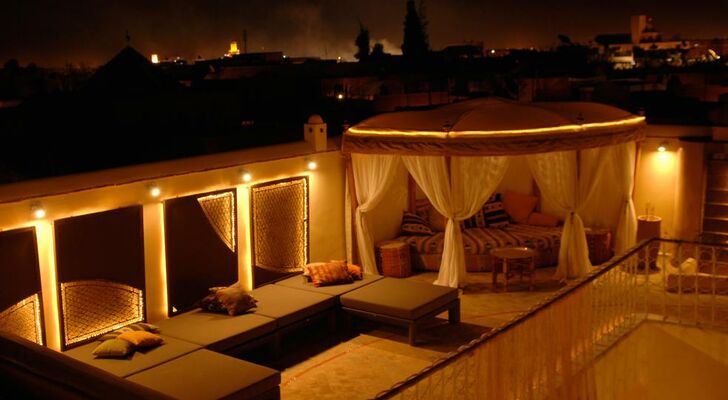
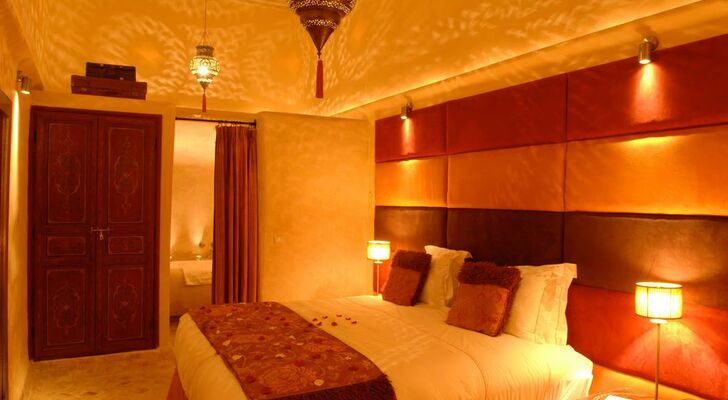
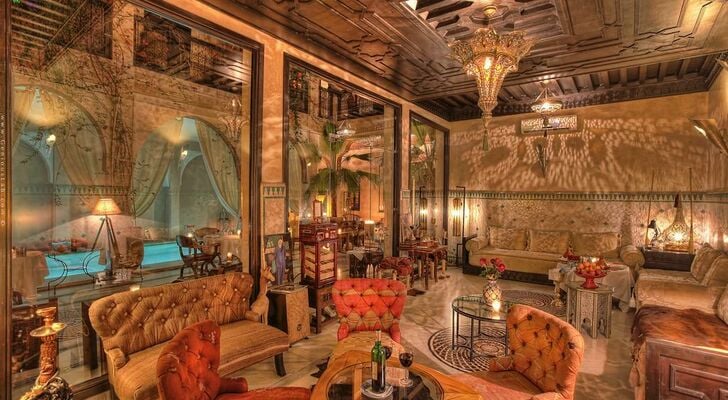
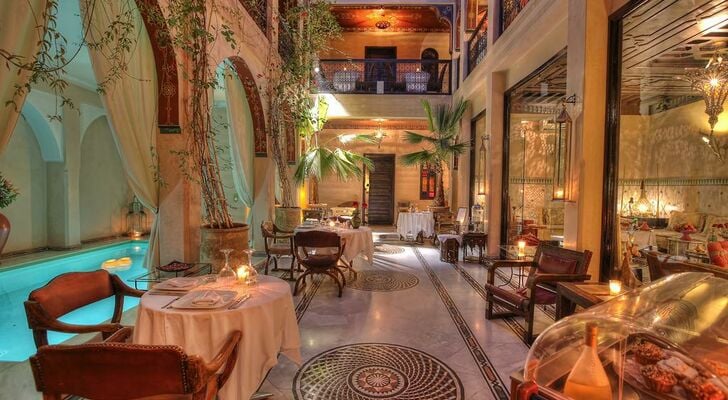
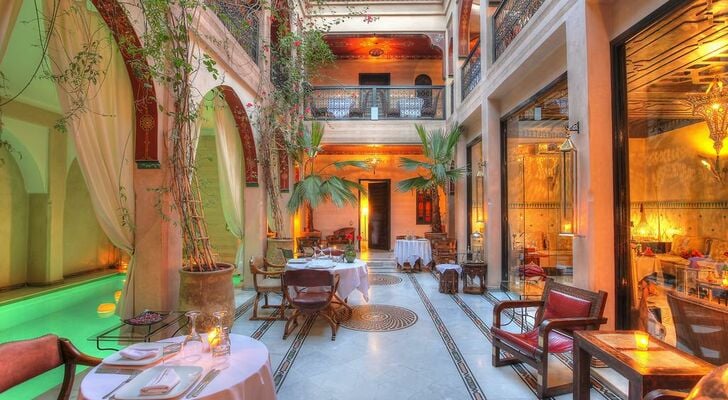
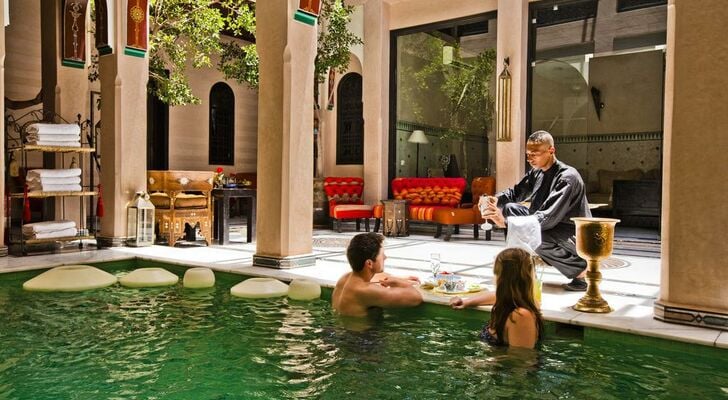
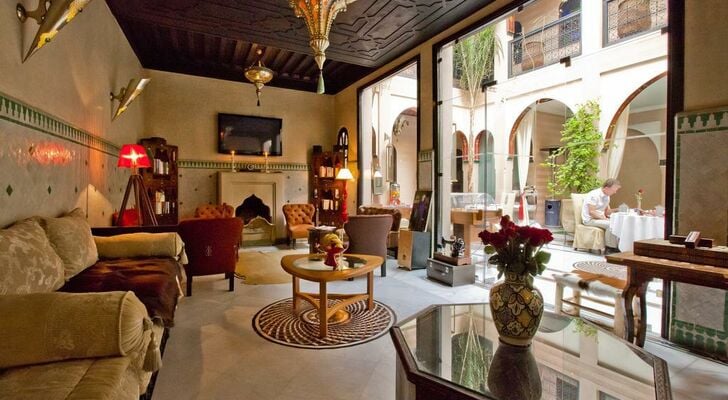
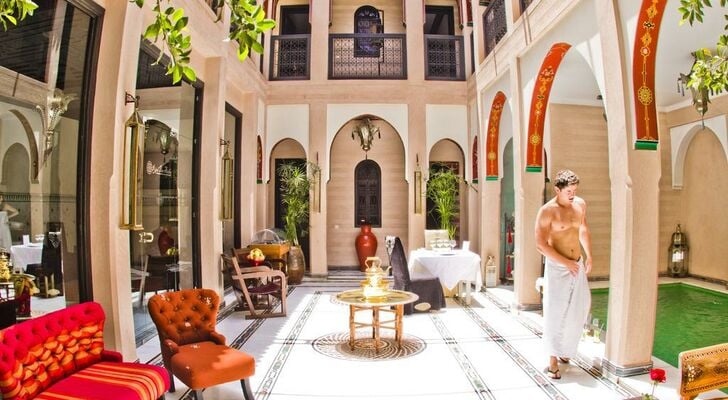
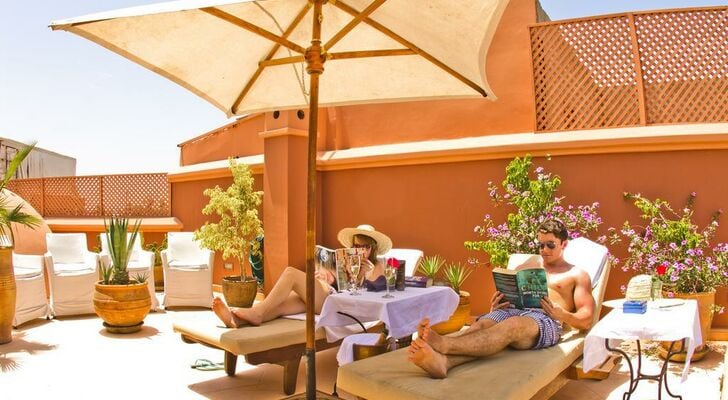
Riads — homes centred around a rectangular garden courtyard, often with a pool or fountain — have become emblematic of Morocco and there are some gorgeous examples in Marrakech. Many of the boutique hotels in the historic medina are former private riads, once home to extended families and now transformed into hip hideaways with restored period features including carved stone archways and colourful tiles. Some boast rooftop restaurants, perfect for candlelit dinners with views over the old city, whilst others have refreshing traditional hammams.
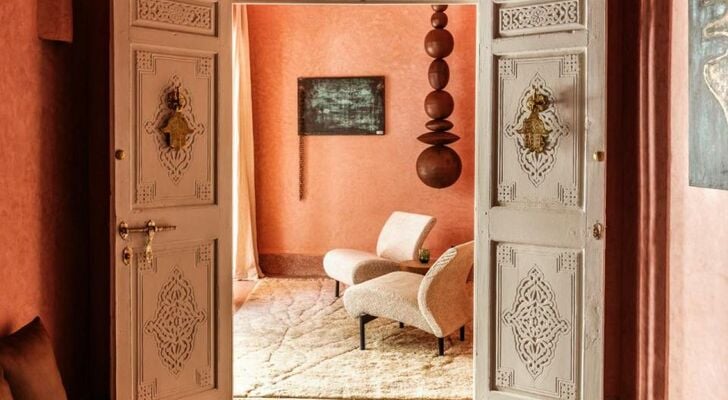
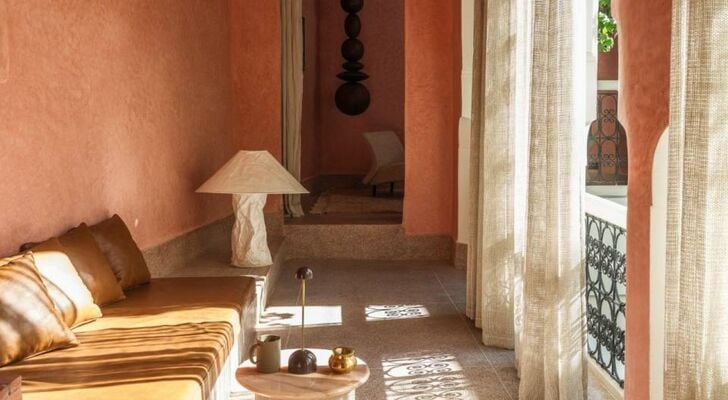
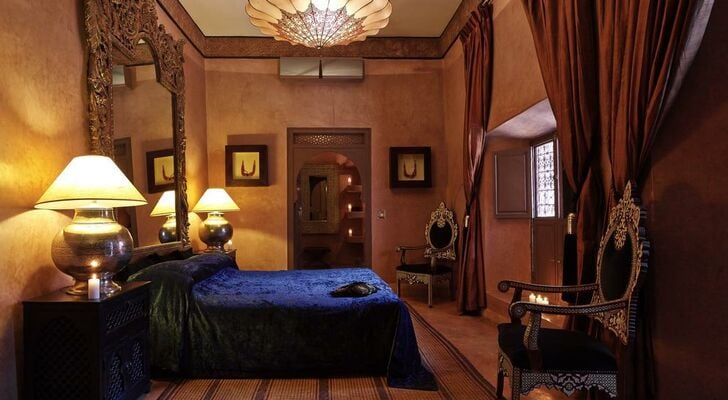
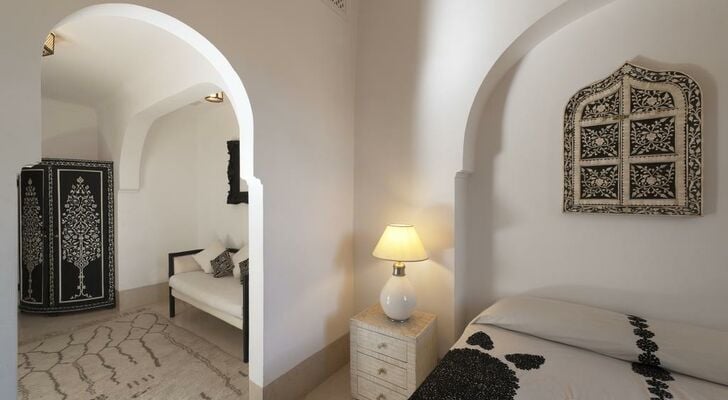
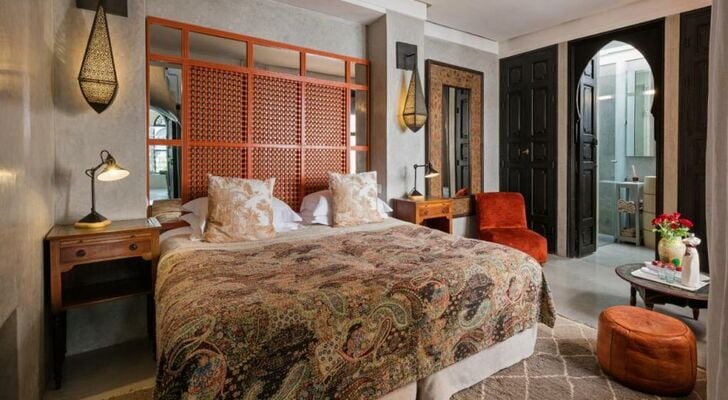
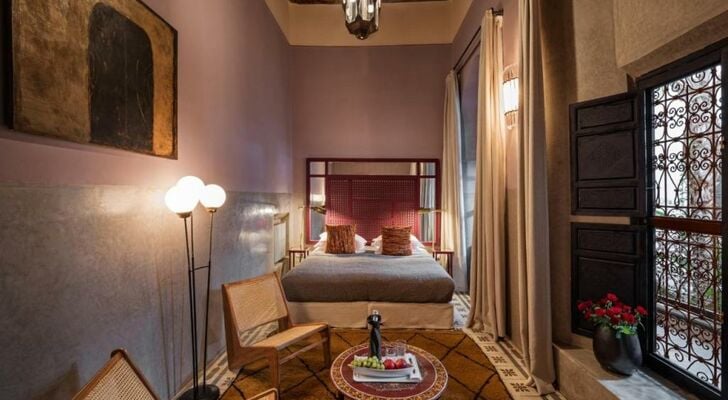
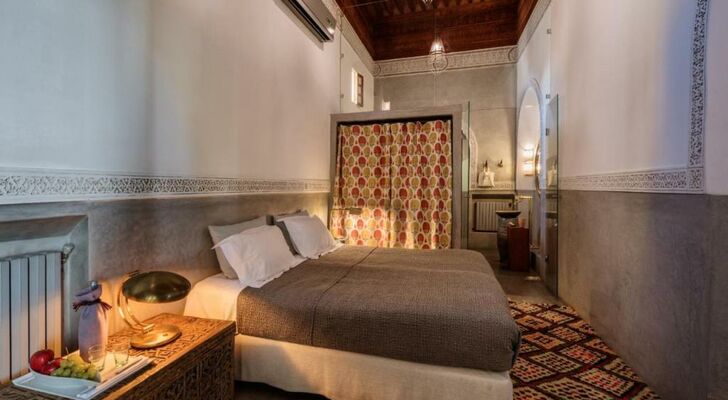
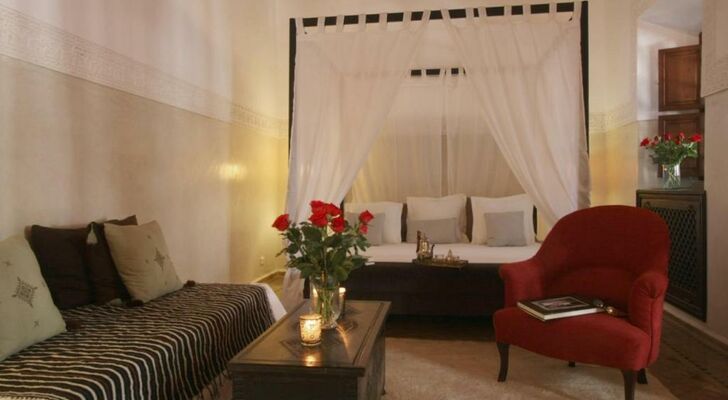
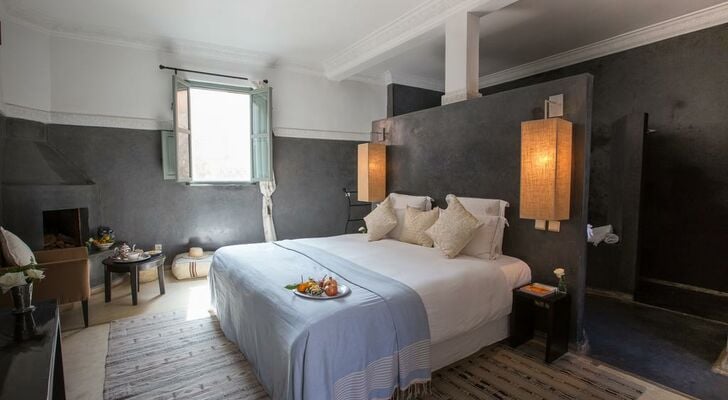
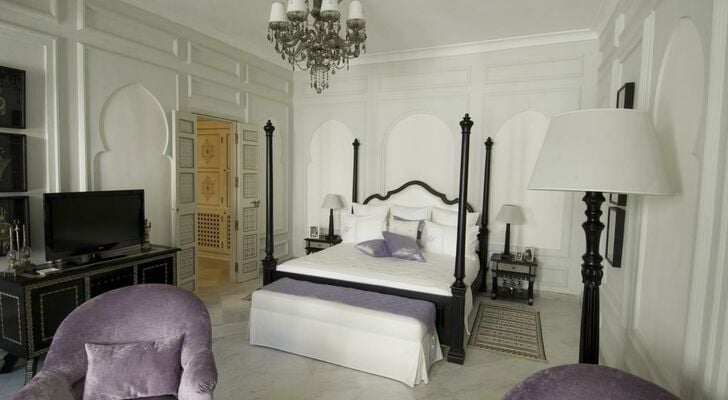
Heritage hotels and guesthouses in Marrakech tend to be small and intimate, with individually designed guest rooms and personalised service. Many offer terrific wellness treatments and delicious seasonal fare.
The larger resorts around Palmeraie are more likely to have tennis courts and fitness facilities, as well as fun kids’ clubs.
Morocco
