

Understanding boutique hotel room types: decoding the essentials
When booking a boutique hotel, guests are often met with a diverse array of room types and categories. The terminology can be confusing, especially when words like "suite," "mini-suite," "standard room," and "deluxe room" are used interchangeably across hotels. Boutique hotels, renowned for their unique charm and personalized service, often design rooms based on distinct themes or layouts, making it even more important to understand what each room type offers. For US and UK travelers, decoding these categories ensures the chosen hotel room aligns with expectations for space, amenities, and comfort.
Room size is a critical factor in the boutique hotel experience. The average standard hotel room in the US measures around 30 square meters, while a junior suite or mini-suite typically offers about 46 square meters. Suites can extend to 60 square meters or more, providing ample space for relaxation. However, these figures can vary significantly between hotels, especially in historic or urban properties where space is at a premium. Understanding the difference between a single room, double room, and suite is essential for maximizing comfort and value during your stay.
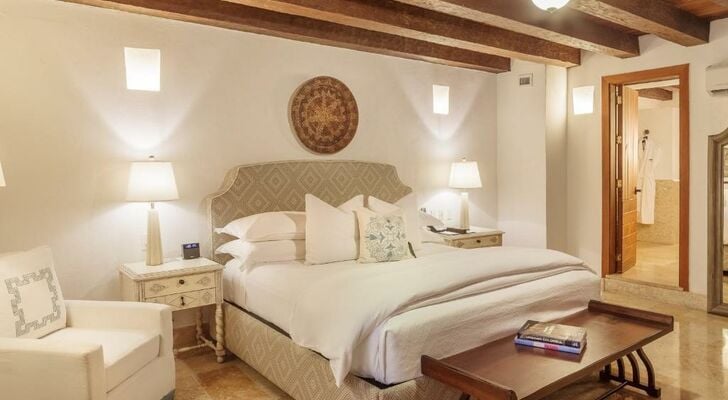
Hotel management teams play a key role in defining room categories and maintaining standards. Their expertise ensures that each room type, from standard rooms to deluxe suites, meets specific criteria for size, bed configuration, and amenities. Guests should pay close attention to room descriptions, as features such as double beds, separate living areas, and unique amenities can greatly enhance the stay. By familiarizing themselves with the various room types hotel properties offer, travelers can make informed decisions and enjoy a tailored boutique hotel experience.
Room size and layout: what to expect from standard rooms to suites
Room size is one of the most significant differentiators among hotel room categories. Standard rooms, often referred to as "classic" or "superior," typically feature a single bed or double bed and are designed for one or two guests. These rooms usually range from 20 to 30 square meters, providing a comfortable space for short stays. The layout is straightforward, focusing on essential amenities and efficient use of space. For solo travelers or couples, a standard room offers a balance of comfort and value.
Deluxe rooms and view rooms elevate the experience by offering additional space, upgraded amenities, and often a more desirable location within the hotel. These rooms may include larger beds, enhanced furnishings, and premium features such as balconies or panoramic views. The space in a deluxe room can reach up to 35 square meters, allowing guests to enjoy a more spacious environment without stepping into suite territory. Room designed with thoughtful touches, such as seating areas or workspaces, cater to the needs of modern travelers.
Suites and mini-suites represent the pinnacle of boutique hotel accommodation. A suite typically includes a separate living area, bedroom, and sometimes a dining space, with sizes starting from 46 square meters and extending beyond 60 square meters. Mini-suites, or junior suites, offer a partially separated sitting area within a single room, providing extra comfort for guests who desire more space without the full suite layout. These room types are ideal for families, business travelers, or anyone seeking a luxurious stay. Understanding the distinctions between these categories helps guests select the perfect room based on occupancy, space, and desired amenities.
Decoding bed configurations and occupancy in boutique hotels
The bed configuration in a hotel room significantly impacts both comfort and occupancy. Single rooms are typically equipped with one single bed, making them suitable for solo travelers. Double rooms, on the other hand, feature a double bed or two single beds, accommodating two guests comfortably. Some boutique hotels offer twin rooms, where two separate beds are provided, catering to friends or colleagues traveling together. The choice of bed type can influence the overall experience, especially for longer stays or when sharing a room.
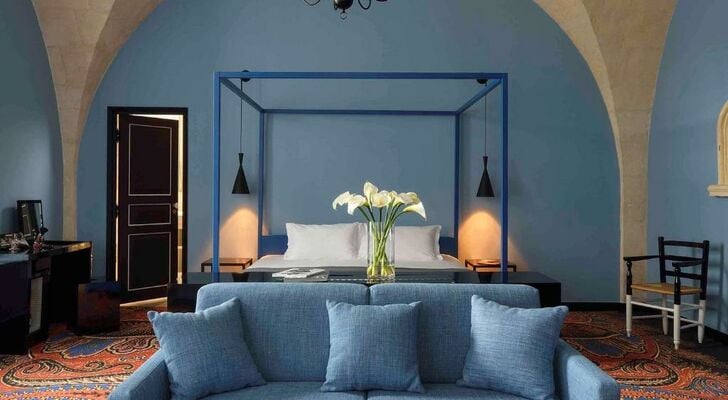
Hôtel & Spa Jules César Arles - MGallery Hotel Collection
Deluxe rooms and suites often provide more flexibility in bed arrangements. Guests may find options such as king-size beds, queen-size beds, or even multiple double beds in family suites. The room type and occupancy limits are clearly defined by hotel management, ensuring that guests have a clear understanding of what to expect. For families or groups, connecting rooms or suites with sofa beds can offer additional sleeping space without compromising privacy or comfort.
Room occupancy is also influenced by the overall space and amenities provided. Suites and mini-suites are designed to accommodate more guests, with separate living areas and additional beds or sofa beds. This flexibility is particularly valuable for travelers seeking a balance between communal space and private sleeping quarters. By carefully reviewing the bed configurations and occupancy guidelines for each room type, guests can select accommodations that best suit their travel needs and preferences.
Amenities and features: what sets boutique hotel rooms apart
Boutique hotels are celebrated for their attention to detail and personalized service, and this is reflected in the amenities and features offered in each room. Standard rooms typically include essential amenities such as comfortable beds, quality linens, and en-suite bathrooms. However, boutique hotels often go beyond the basics, incorporating unique design elements, curated artwork, and bespoke furnishings that create a memorable atmosphere for guests. The choice of amenities is carefully curated by hotel management to enhance the guest experience.
Deluxe rooms and suites offer an elevated level of comfort, with features such as spacious bathrooms, luxury toiletries, and in-room coffee or tea facilities. Some rooms may include private balconies, soaking tubs, or custom lighting, providing an extra layer of indulgence. The amenities in a suite or mini-suite are designed to cater to guests seeking a premium experience, with added touches like separate living areas, dining tables, and enhanced entertainment options. These features contribute to the overall appeal of boutique hotel rooms and set them apart from standard accommodations.
Room designed with guest comfort in mind often includes thoughtful extras such as blackout curtains, plush robes, and personalized welcome gifts. The variety of amenities available in different room types allows guests to choose accommodations based on their preferences and travel style. Whether seeking a cozy retreat or a luxurious escape, boutique hotels offer a range of options to suit every guest. By understanding the features and amenities associated with each room type, travelers can make informed decisions and enjoy a truly personalized stay.
How revenue management shapes room categories and pricing
Revenue management is a critical aspect of hotel operations, influencing how room categories are defined and priced. Boutique hotels utilize sophisticated revenue management strategies to optimize occupancy and maximize revenue. By analyzing demand patterns, guest preferences, and market trends, hotel management can adjust room rates and availability in real time. This dynamic approach ensures that guests have access to a variety of room types at competitive prices, while the hotel maintains profitability.
The categorization of rooms based on size, amenities, and features allows hotels to target different segments of travelers. For example, standard rooms may be priced attractively to appeal to budget-conscious guests, while suites and deluxe rooms command higher rates due to their enhanced space and amenities. Revenue management teams continuously monitor booking trends and adjust pricing for each room type to reflect demand and occupancy levels. This ensures that guests receive value for their investment, regardless of the room category selected.
Room types and features are also influenced by the hotel's overall revenue management strategy. Boutique hotels may introduce special packages or promotions for certain room categories, encouraging guests to upgrade or extend their stay. By understanding how revenue management impacts room categories and pricing, travelers can take advantage of opportunities to secure the best possible accommodations for their needs. The interplay between room design, amenities, and pricing is a hallmark of boutique hotel management, ensuring a tailored experience for every guest.
Tips for selecting the ideal room type in boutique hotels
Choosing the right room type in a boutique hotel requires careful consideration of several factors. Start by assessing your travel needs, including the number of guests, desired bed configuration, and preferred amenities. Review the room descriptions provided by the hotel, paying close attention to details such as room size, layout, and features. Consider whether a standard room, deluxe room, suite, or mini-suite best aligns with your expectations for space and comfort.
Occupancy limits and bed arrangements are important considerations, especially for families or groups. Look for rooms designed to accommodate your party without sacrificing privacy or convenience. Amenities such as balconies, soaking tubs, or separate living areas can enhance your stay, providing additional value beyond the basic room rate. Evaluate the features offered in each room type and prioritize those that are most important to you.
Finally, take advantage of the expertise of hotel management and hospitality professionals. Their knowledge of room categories, amenities, and revenue management strategies ensures that each guest receives personalized recommendations and support. By understanding the nuances of room types, occupancy, and features, travelers can confidently select the ideal boutique hotel room for their next adventure. The right choice enhances the overall experience, creating lasting memories and a sense of satisfaction with every stay.