
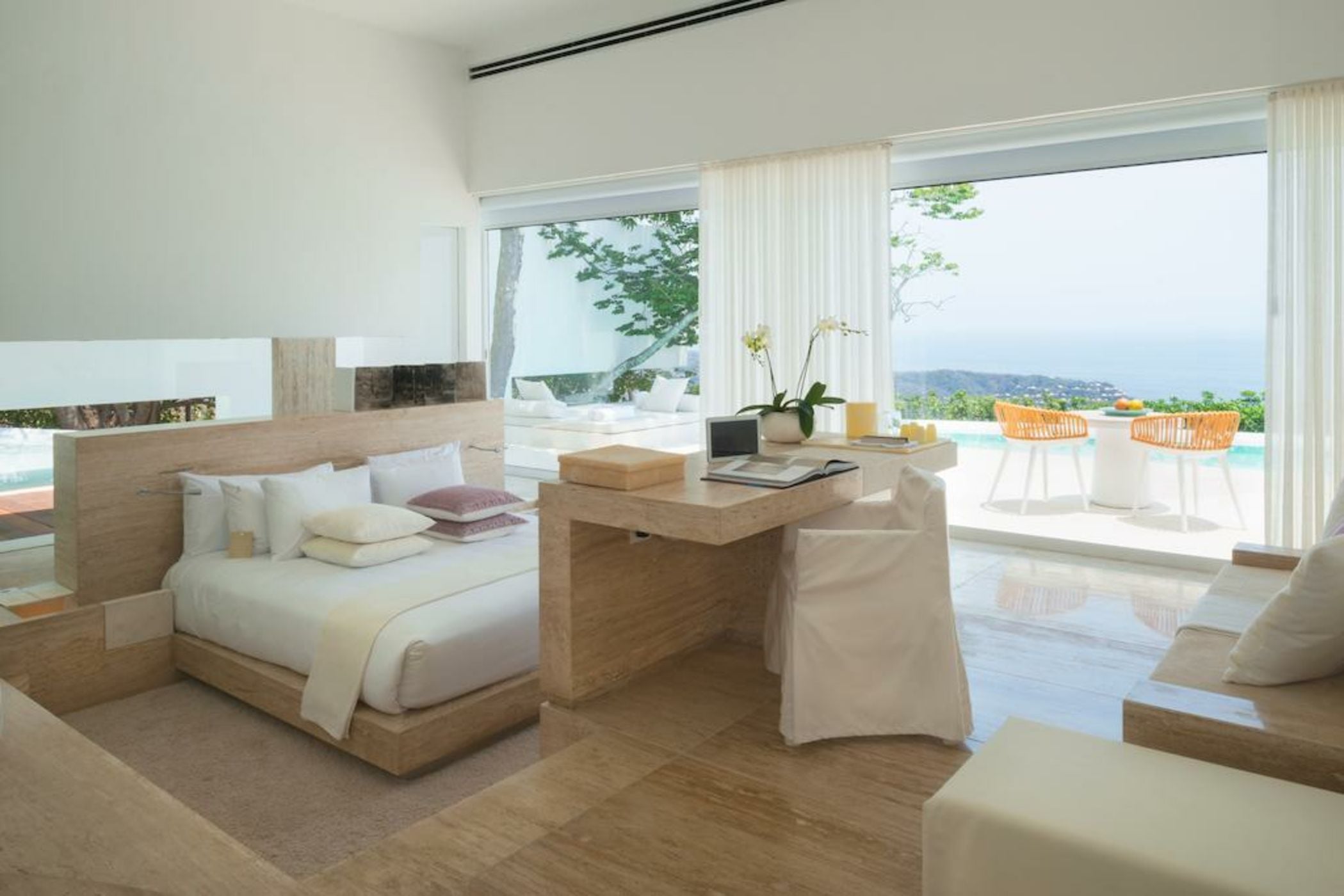
The origins of boutique hotel interiors: vintage influences and early hospitality design
The journey of hotel interior design begins with vintage influences that shaped the earliest boutique hotels. In the early days of the hospitality industry, hotels were designed to evoke a sense of grandeur and exclusivity, often drawing inspiration from art deco and mid century architecture. These elements created eye catching spaces that set the stage for memorable guest experiences. The use of rich textiles, intricate woodwork, and ornate detailing in hotel rooms reflected the era’s dedication to craftsmanship and luxury. Textile designers like Dorothy Liebes introduced vibrant colors and textures, elevating the ambiance of guest rooms and public spaces alike.
As the hotel industry evolved, so did the expectations of guests. The focus shifted from mere accommodation to creating a holistic guest experience. Vintage hotels often incorporated local culture into their interiors, using art and artifacts to tell a story unique to their location. This approach not only enhanced guest satisfaction but also established a strong brand identity for iconic hotels. The hospitality industry recognized the importance of blending comfort with style, leading to the emergence of boutique hotels that prioritized individuality over uniformity. These early design choices laid the foundation for the evolution hospitality would undergo in the decades to follow.
Today, vintage elements remain a source of inspiration for modern hospitality design. Many boutique hotels pay homage to their roots by integrating classic motifs with contemporary touches. The interplay between past and present is evident in the careful selection of furnishings, lighting, and decorative accents. This seamless blend of old and new continues to captivate guests, ensuring that the legacy of vintage hotel design endures in the modern era.
Mid century modernism and the rise of iconic hotel spaces
The mid century period marked a pivotal moment in the evolution of hotel interior design. Characterized by clean lines, organic forms, and a focus on functionality, mid century modernism brought a fresh perspective to hospitality spaces. Hotels embraced open layouts, natural materials, and minimalist aesthetics, creating environments that felt both inviting and sophisticated. The influence of mid century design extended beyond architecture, shaping the way hotel rooms and common areas were furnished and decorated.
Designers and architects collaborated to create hotel rooms that prioritized comfort without sacrificing style. The use of bold colors, geometric patterns, and innovative lighting solutions made these spaces truly eye catching. Hospitality design during this era also emphasized the importance of communal areas, transforming hotel lobbies into vibrant social hubs. Guests were encouraged to interact and connect, enhancing the overall guest experience and fostering a sense of community within the hotel.
Iconic hotels from this period set new standards for the hospitality industry, inspiring future generations of designers. The integration of mid century elements into modern hotel design remains popular, as travelers continue to seek spaces that balance nostalgia with contemporary luxury. The enduring appeal of mid century modernism lies in its ability to create timeless interiors that resonate with guests from all walks of life. As the hotel industry continues to evolve, the lessons learned from this era serve as a guiding light for those seeking to create memorable guest experiences.
Art deco glamour and the expression of brand identity in hotels
Art deco has long been synonymous with glamour and sophistication in hotel interior design. This style, characterized by bold geometric shapes, lavish materials, and intricate detailing, became a hallmark of luxury hotels in major cities. The hospitality industry embraced art deco as a means of expressing brand identity and setting hotels apart from their competitors. From grand lobbies to intimate guest rooms, every element was carefully curated to create a cohesive and memorable aesthetic.
Designers such as Philippe Starck have drawn inspiration from art deco, infusing modern hotels with a sense of drama and elegance. The use of polished metals, mirrored surfaces, and rich color palettes creates an atmosphere that is both opulent and inviting. Art deco elements are often combined with contemporary features to enhance guest comfort and satisfaction. This fusion of styles allows hotels to appeal to a wide range of travelers, from those seeking vintage charm to those who appreciate cutting edge design.
Brand identity plays a crucial role in the evolution hospitality spaces undergo. Hotels strive to create unique environments that reflect their values and resonate with their target audience. Art deco’s enduring popularity is a testament to its ability to convey a sense of exclusivity and refinement. By incorporating these elements into their interiors, hotels can create a lasting impression on guests and establish themselves as leaders in the hospitality industry.
The shift to experiential design: integrating local culture and sustainability
In recent years, the focus of hotel interior design has shifted towards creating immersive and personalized guest experiences. This evolution hospitality has been driven by a desire to connect travelers with the local culture and environment. Hotels now prioritize the use of locally sourced materials, artwork, and craftsmanship to create spaces that tell a story and foster a sense of place. This approach not only enhances guest satisfaction but also supports the surrounding community and promotes sustainable practices.

Sustainability has become a key consideration in hospitality design, with many hotels adopting eco friendly building materials and energy efficient technologies. The integration of green roofs, solar panels, and smart room controls reflects a commitment to reducing environmental impact. According to recent reports, a significant percentage of travelers now prefer eco friendly accommodations, highlighting the importance of sustainability in the hotel industry. By embracing these principles, hotels can create spaces that are both beautiful and responsible.
Experiential design also extends to the layout and functionality of hotel rooms and public areas. Flexible spaces that can adapt to different needs and activities are increasingly popular, allowing guests to customize their experience. The incorporation of local culture into every aspect of the hotel, from the artwork to the cuisine, ensures that each stay is unique and memorable. This holistic approach to hospitality design sets boutique hotels apart and positions them at the forefront of the industry’s evolution.
Technology and the future: smart rooms and futuristic hospitality spaces
The future of hotel interior design is being shaped by rapid advancements in technology. Modern hotels are embracing smart room controls, IoT devices, and personalized systems to enhance guest experiences. These innovations allow guests to adjust lighting, temperature, and entertainment options with ease, creating a tailored environment that meets their individual preferences. The integration of technology into hospitality spaces reflects a broader trend towards convenience and efficiency in the hotel industry.
Design studios such as Yabu Pushelberg and the Sundukovy Sisters are at the forefront of this movement, creating futuristic interiors that blend form and function. The use of interactive displays, touchless check in systems, and automated service solutions streamlines the guest journey from arrival to departure. These advancements not only improve operational efficiency but also contribute to a seamless and enjoyable guest experience.
Futuristic hotel rooms often feature modular furniture, dynamic lighting, and immersive audiovisual elements. These design choices create a sense of novelty and excitement, appealing to tech savvy travelers seeking something beyond the ordinary. As the hospitality industry continues to evolve, the adoption of cutting edge technology will play a central role in shaping the guest experience and defining the next generation of iconic hotels.
Blending past and present: creating memorable guest experiences in boutique hotels
The most successful boutique hotels are those that masterfully blend vintage charm with modern innovation. By drawing on the rich history of hotel design and embracing the latest trends, these properties create spaces that are both timeless and contemporary. The careful selection of furnishings, artwork, and architectural details ensures that each hotel room tells a unique story, inviting guests to immerse themselves in the experience.
Hospitality design today is characterized by a commitment to authenticity and personalization. Hotels strive to create environments that reflect the local culture and heritage, offering guests a genuine sense of place. This approach extends to every aspect of the guest journey, from the layout of public spaces to the amenities offered in guest rooms. The result is a hospitality experience that is both memorable and meaningful.
As the hotel industry looks to the future, the evolution of hotel interior design will continue to be shaped by a desire to enhance guest comfort, support sustainability, and celebrate individuality. By embracing the lessons of the past and the possibilities of the future, boutique hotels can create iconic spaces that leave a lasting impression on every guest. The interplay of vintage and futuristic elements ensures that the evolution hospitality remains dynamic, inspiring, and endlessly captivating for travelers from the US, UK, and beyond.