
Defining luxury through bespoke hotel interior design
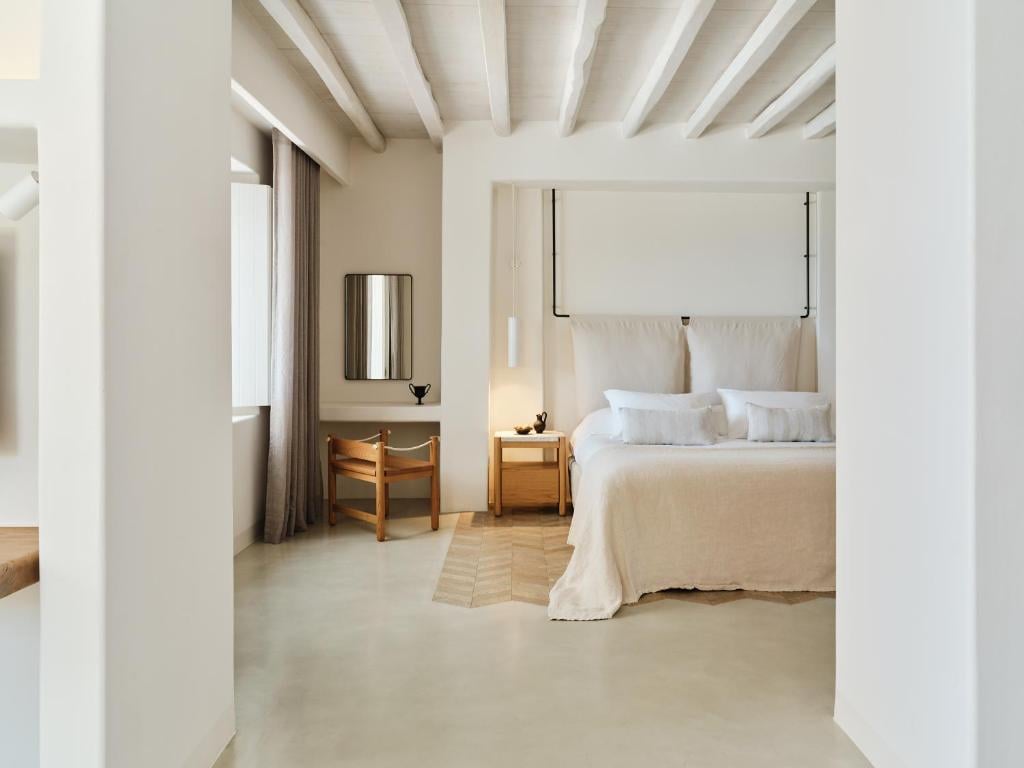
In the world of boutique hotels, the essence of luxury is captured through thoughtful hotel design and meticulous attention to detail. High-end hotel rooms are crafted to offer guests an immersive experience that goes beyond mere accommodation. Every element, from the selection of materials to the arrangement of custom furniture, is chosen to create a sense of exclusivity and comfort. Interior designers collaborate closely with hotel owners and art curators to ensure that each space reflects the unique identity of the hotel while aligning with the latest design trends.
Luxury hotels prioritize the use of premium materials, such as natural stone, fine woods, and plush textiles, to elevate the tactile experience for every guest. These materials are not only visually appealing but also contribute to the overall feel of the room, making guests feel pampered and valued. The integration of bespoke furniture pieces, tailored to the specific dimensions and aesthetics of each room, further enhances the sense of individuality that defines boutique hotels. This approach to hotel interior design ensures that no two guest rooms are exactly alike, offering a fresh and memorable experience with every stay.
Lighting plays a pivotal role in setting the mood and highlighting the decor within luxury hospitality spaces. Layered lighting schemes, combining ambient, task, and accent lighting, allow guests to customize their environment according to their preferences. The careful placement of lighting fixtures accentuates the architectural features and design concepts of the room, creating a harmonious balance between function and beauty. In this way, lighting becomes an integral part of the overall hotel design, contributing to both the practical and aesthetic aspects of the guest experience.
Curated art and cultural motifs: signature touches in boutique hotels
One of the defining characteristics of boutique hotels is their commitment to showcasing curated art and cultural motifs within guest rooms and public spaces. Art curators play a crucial role in selecting pieces that resonate with the hotel’s concept and local heritage, transforming each room into a gallery of inspiration. These carefully chosen artworks not only enhance the visual appeal of the space but also provide guests with a deeper connection to the destination. The presence of original paintings, sculptures, or textile art can turn a hotel bedroom into a sanctuary of creativity and reflection.
Incorporating local cultural motifs into the decor is a hallmark of luxury hospitality design. Whether through intricate patterns on textiles, handcrafted ceramics, or regionally inspired wall murals, these elements celebrate the unique identity of the hotel and its surroundings. Guests are invited to engage with the story behind each decorative piece, enriching their overall experience and fostering a sense of belonging. This approach to hotel interior design goes beyond aesthetics, offering a narrative that guests can appreciate and remember long after their stay.
Design concepts in high-end hotels often draw inspiration from the surrounding environment, blending contemporary design ideas with traditional craftsmanship. This fusion creates a dynamic interplay between old and new, allowing guests to experience the best of both worlds. By integrating cultural references and artistic expressions into the decor, boutique hotels set themselves apart from standard star hotels, offering a truly distinctive guest experience that resonates with discerning travelers from the US and UK.
Custom furniture and spatial harmony in luxury hotel rooms
The arrangement and selection of furniture are fundamental to achieving spatial harmony in high-end hotel rooms. Custom furniture, designed specifically for each hotel, ensures that every piece fits seamlessly within the space, maximizing both comfort and functionality. This bespoke approach allows hotels to create unique layouts that cater to the needs of their guests, whether they are seeking relaxation, productivity, or social interaction. The use of high-quality materials and expert craftsmanship in furniture design further elevates the sense of luxury within the room.
Spatial planning is a key consideration in hospitality design, as it directly impacts the flow and usability of the guest room. Designers employ innovative design concepts to optimize the use of available space, ensuring that each area serves a distinct purpose without feeling cluttered. Thoughtful placement of furniture, such as lounge chairs by the window or a sculptural headboard in the hotel bedroom, enhances the overall decor and creates inviting zones for guests to unwind. This attention to spatial harmony is a hallmark of luxury hotels, where every detail is curated to enhance the guest experience.
In addition to aesthetics, the functionality of furniture is paramount in boutique hotels. Multi-purpose pieces, such as ottomans with hidden storage or modular seating arrangements, offer flexibility and convenience for guests. These design ideas reflect the evolving needs of modern travelers, who value both style and practicality in their accommodations. By prioritizing custom furniture and spatial harmony, luxury hotels create environments that are as comfortable as they are visually stunning, ensuring that guests feel at home from the moment they arrive.
Lighting as a transformative element in hotel design
Lighting is a transformative force in the world of hotel design, shaping the ambiance and mood of every space within a luxury hotel. In high-end guest rooms, a layered lighting approach is essential to create depth and visual interest. Ambient lighting provides a soft, welcoming glow, while task lighting ensures functionality for activities such as reading or working. Accent lighting, strategically placed to highlight artwork or architectural features, adds a touch of drama and sophistication to the decor.
The selection of lighting fixtures is an opportunity for hotels to express their design concepts and reinforce their brand identity. From sculptural chandeliers in the lobby to minimalist bedside lamps in guest rooms, each piece is chosen to complement the overall interior design. Innovative lighting solutions, such as dimmable LEDs or smart controls, allow guests to personalize their environment and enhance their comfort. This level of customization is a key aspect of luxury hospitality, where the guest experience is always at the forefront.
Natural light is also a prized element in hotel interior design, with large windows and thoughtfully positioned mirrors used to maximize daylight and create a sense of openness. The interplay between natural and artificial lighting contributes to the overall feel of the space, making it both inviting and energizing. By prioritizing lighting as a core component of their design strategy, boutique hotels ensure that every guest room and public area is both functional and visually captivating.
Sustainable materials and eco friendly design in luxury hospitality
As sustainability becomes increasingly important in the hospitality industry, luxury hotels are embracing eco friendly materials and practices in their design concepts. The use of responsibly sourced wood, recycled metals, and organic textiles reflects a commitment to environmental stewardship without compromising on style or comfort. These materials not only reduce the hotel’s ecological footprint but also contribute to a healthier indoor environment for guests.
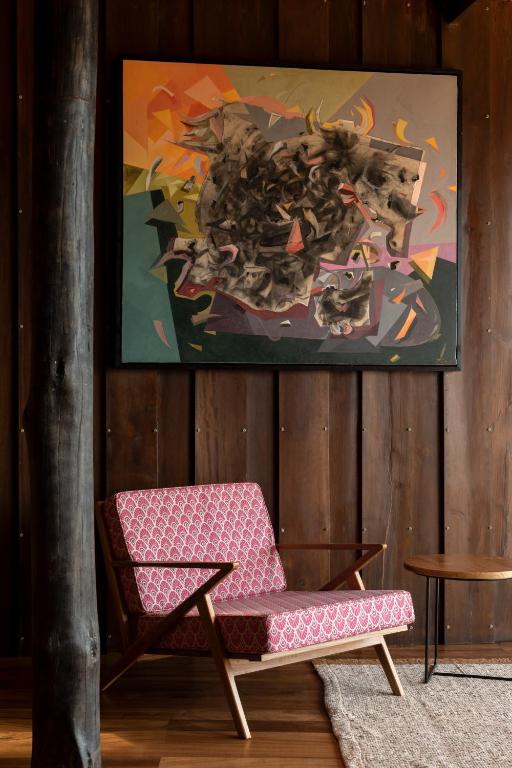
Eco friendly design ideas extend beyond materials to include energy-efficient lighting, water-saving fixtures, and smart room technologies that optimize resource use. By integrating these features into the hotel interior, designers create spaces that are both luxurious and sustainable. Guests can enjoy the benefits of modern amenities while knowing that their stay supports responsible hospitality practices. This alignment of luxury and sustainability is particularly appealing to US and UK travelers, who increasingly prioritize eco conscious choices in their travel decisions.
Incorporating sustainable elements into the decor, such as living plant walls or upcycled art installations, adds a unique and refreshing dimension to the guest experience. These features not only enhance the visual appeal of the space but also promote well-being and relaxation. By championing eco friendly design, boutique hotels demonstrate their leadership in the evolving landscape of luxury hospitality, setting new standards for guest rooms and public spaces alike.
The role of public spaces and lobbies in boutique hotel design
Public spaces, particularly lobbies, serve as the heart of any boutique hotel, setting the tone for the guest experience from the moment of arrival. The design of these areas is a reflection of the hotel’s overall concept, blending comfort, functionality, and visual intrigue. High-end hotels invest in striking decor, custom furniture, and curated art to create a welcoming atmosphere that invites guests to linger and socialize. The lobby becomes a showcase for the hotel’s design philosophy, offering a preview of the luxury and attention to detail found throughout the property.
Hospitality design in public spaces emphasizes flexibility and adaptability, with seating arrangements and lighting schemes that can be tailored to different occasions. Whether hosting a fine dining event or providing a quiet corner for relaxation, the lobby must cater to a diverse range of guest needs. The integration of local materials and design motifs reinforces the hotel’s connection to its surroundings, creating a sense of place that resonates with international travelers.
Design trends in luxury hotels increasingly focus on creating multi-functional spaces that blur the boundaries between work, leisure, and social interaction. By incorporating elements such as communal tables, art installations, and interactive displays, boutique hotels foster a dynamic and engaging environment. These public spaces are not just transitional areas but integral components of the guest experience, enhancing the overall appeal and reputation of the hotel.